



-
 Residential Roofing
-
 0 Comments
What East Texas TPO contractor can fix recurring leaks where conduits and gas lines penetrate a flat roof?
Commercial building owners and facility managers in East Texas searching for expert TPO contractors to resolve recurring leaks around conduits and gas lines need a proven, detail-focused solution. Persistent leaks at flat roof penetrations are a sign of more complex issues than a failed caulk bead. Correcting these leaks requires not only knowledge of TPO membranes and flashings but also an understanding of how multiple building systems interact at penetration points.
The most effective way to address these persistent problems is to bring in a commercial TPO roofing expert like Roof Care. With decades of experience repairing and replacing TPO membrane roofs throughout Longview, Tyler, Marshall, Kilgore, and the wider East Texas region, our team understands how to permanently resolve water intrusion at these critical details.
Definition: Understanding TPO Roof Penetration Leaks
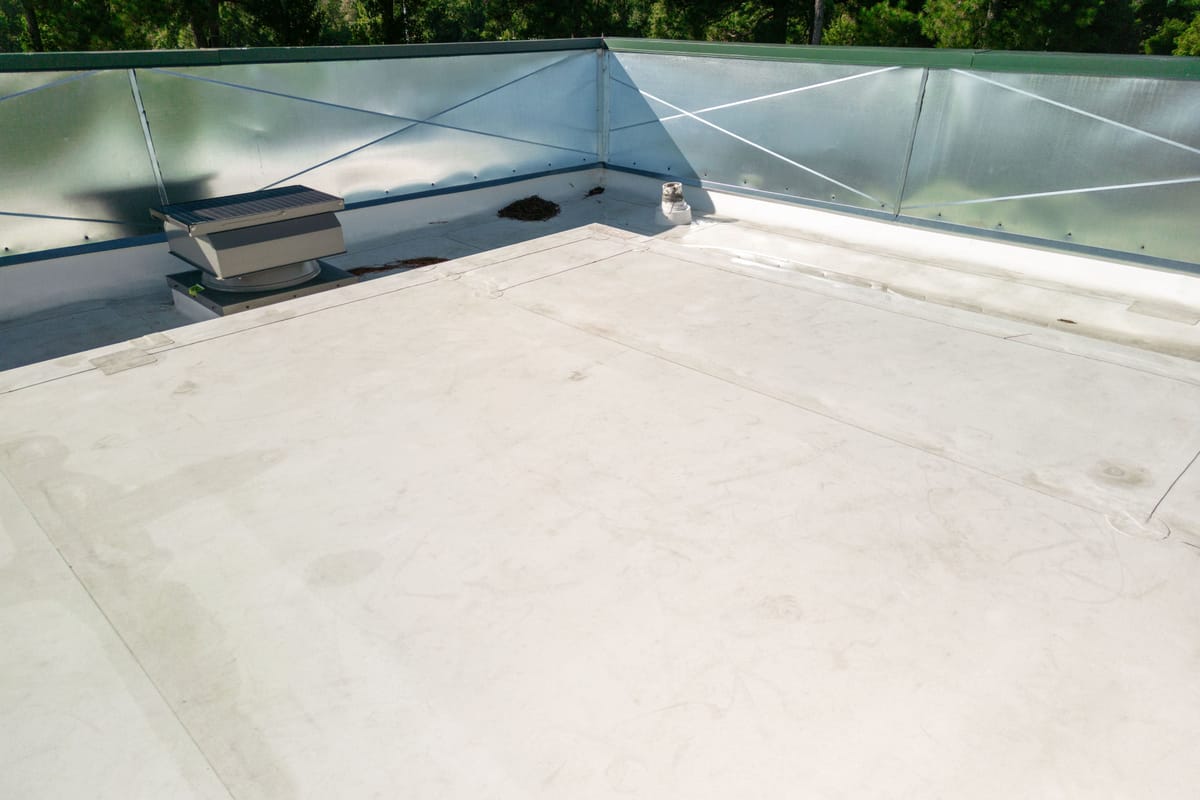
TPO (thermoplastic polyolefin) membranes are widely used for commercial flat roofing in East Texas due to their durability and energy efficiency. Roof penetrations—such as electrical conduits, gas lines, pipe stands, and HVAC supports—are necessary for building systems but are also the most vulnerable points for water intrusion. Recurring leaks at these locations usually develop because sealants fail, improper flashing details are used, or movement of the pipes disrupts the integrity of the membrane system.
Common Reasons for Penetration Leak Recurrence
- Improper Flashing: Caulk alone does not create a lasting seal where pipes or lines pass through TPO membranes. Lasting repairs require heat-welded TPO boots, pockets, or custom flashings.
- Incompatible Pipe Boots: Using a standard roof boot on irregular, grouped, or oversized pipes leaves gaps vulnerable to leaks.
- Movement and Vibration: Conduits and gas lines that see regular movement—either from operational vibration or foot traffic—can pull flashing loose or crack sealant.
- Lack of Support: Unsecured or incorrectly supported gas lines will rest directly on the membrane, creating abrasion and puncture points.
- Water Tracking: Water can migrate beneath the membrane from a penetration and appear elsewhere in the building, complicating diagnosis without expert inspection.
- Underlying Saturation: Even when top flashing is replaced, saturated insulation or a damaged cover board underneath the membrane can cause leaks to persist.
How Roof Care Permanently Solves Flat Roof Penetration Leaks
Roof Care brings industry-leading diagnostic and repair expertise to every commercial TPO project. Our in-house commercial roofing mechanics are highly trained in these complex repairs, using a comprehensive process to resolve leaks at the source:
- Interior Leak Mapping: Identify where and when water is entering, noting any electrical hazards or persistent stains.
- System Identification: Confirm the roof system type (TPO, PVC, BUR, etc.) to ensure compatible repair methods and materials.
- Detailed Penetration Inspection: Examine all boots, flashing, sealants, supports, pitch pans, and seams around the penetration for signs of wear, movement, or previous inadequate repairs.
- Evaluate Pipe Support: Check if gas lines and conduits are adequately supported above the membrane and if pipe stands or blocks are present and in good condition.
- Drainage Review: Assess adjacent drains, scuppers, and ponding areas—poor drainage amplifies the risk of leakage at every penetration.
- Remove All Failed Materials: Remove any loose membrane, cracked or missing flashing, soft insulation, and old caulking.
- Install Correct Flashing: Use field-fabricated or prefabricated TPO details (such as heat-welded boots, custom flashings, or penetration pockets) that address the exact condition and movement of the line or group of penetrations.
- Heat Weld and Quality Check: Meticulously heat-weld new TPO to the existing field membrane, then test welds for complete and lasting bond.
- Document and Report: Provide photographic and written documentation of the leak location, corrective work, and any findings for future reference or warranty support.
Case Study: Shopping Center Roof Penetration Repairs in Longview, TX
On a recent 68,000-square-foot shopping center project in Longview, Roof Care encountered roof leaks stemming from failed wall supports and numerous penetration details. Instead of resorting to a costly full tear-off, our team proposed scraping pea gravel, installing a half-inch HD ISO cover board, and applying a 60 mil TPO overlay. We also rebuilt the affected wall supports using plywood and nailers, installed carefully fitted penetration pockets, replaced pipe stands for gas and electrical lines, and delivered a comprehensive 20-year no dollar limit (NDL) manufacturer’s warranty. This approach not only solved the recurring leak issues but saved the property owner 28 percent over the original tear-off plan. Complete documentation and ongoing maintenance were provided for warranty extension.
Commercial TPO Penetration Repair Methods
- Field-Fabricated TPO Boots: Essential for single pipes or conduits where a prefabricated boot does not fit tightly. These are integrated and heat-welded for complete waterproofing.
- Custom Penetration Pockets: Used for grouped pipes, mixed gas/electric lines, or irregular details. Proper pockets accommodate movement and are sealed with compatible, flexible compounds.
- Pipe Stand Upgrades: Replaces old or missing supports to ensure lines do not abrade the membrane or create ponding conditions.
- Wet Material Removal: Involves lifting membrane to remove saturated insulation or cover board and restoring the assembly before new TPO is installed.
- Overlay or Full System Replacement: When leaks are widespread or roof components are saturated, a cover board and TPO overlay or full tear-off is considered as part of a cost-effective, warranted system.

What to Ask Your East Texas TPO Contractor
- Will you inspect not just the leak but all adjacent flashing, supports, and drainage?
- Do you evaluate movement and vibration in the lines?
- Do you replace or upgrade pipe stands if needed?
- Will you check for wet insulation or hidden damage below the membrane?
- Is heat-welded TPO used for all new flashings?
- Can you provide written and photographic documentation for warranty purposes?
- Do you offer repair programs or maintenance to reduce future risk?
- Is your work compliant with roof manufacturer warranty requirements?
Best Practices for Preventing Flat Roof Penetration Leaks
- Schedule Bi-Annual Inspections: Have your roof reviewed every spring and fall by a TPO expert to catch small issues before they become costly leaks.
- Post-Storm Reviews: After severe weather, look for signs of shifted lines, punctured flashing, or displaced equipment.
- Limit Third-Party Roof Access: Prevent other trades from working directly on the membrane wherever possible, as careless movement can compromise details.
- Install Walkpads: Where foot traffic is required, use walkpads to prevent membrane wear and accidental punctures.
- Maintain Open Drains: Keep all roof drains and scuppers clear to reduce standing water stress on penetrations.
- Document All Repairs and Changes: Keep a comprehensive roof file with all repairs, warranty paperwork, and inspection photos for ready reference.
- Repair Promptly: Address every minor flashing separation or membrane nick before they allow significant moisture intrusion.
Instant Commercial TPO Estimates for East Texas
Ready to begin budgeting for your commercial TPO leak repair, overlay, or replacement? Roof Care’s Instant Estimate Tool offers commercial property owners throughout East Texas a fast, reliable way to get preliminary costs and options. Our estimator accounts for building size, roof type, and desired system to streamline project planning, but a dedicated on-site inspection is always required for final proposals.
Frequently Asked Questions
Can a TPO contractor repair a leak around a gas line or conduit without replacing the whole roof?
Yes, if the membrane, insulation, and roof deck are in sound condition, a qualified contractor like Roof Care can repair the penetration with proper TPO flashing, a boot, or a penetration pocket. Extensive moisture damage may require further repairs.
Why does caulk keep failing around my commercial roof penetrations?
Caulk is not a substitute for heat-welded TPO. Movement, sun exposure, ponding water, or surface contamination causes caulk to separate. Permanent repairs should follow manufacturer-recommended flashing details and welding procedures.
How long do professional TPO penetration repairs usually take?
Simple repairs of a single penetration may be completed within a day if conditions are favorable. More complex issues, especially those involving grouped lines or saturated insulation, can take longer and may require return visits or drying periods. Roof Care communicates expected timelines as part of our detailed scope.
Does Roof Care serve properties outside Longview?
Yes, our commercial TPO crew routinely completes repairs and replacements for buildings in Tyler, Marshall, Kilgore, and communities throughout East Texas and beyond, up to a three-hour radius depending on project scope.
Can a flat TPO roof leak around penetrations be prevented altogether?
No roof is truly maintenance-free, but following industry best practices—proper flashing, robust pipe supports, prompt repairs, regular inspections—greatly reduces risk of future penetration leaks.
Internal Resources for Decision-Makers
- Comparing TPO roof replacement and warranties
- How TPO seams are repaired and why issues recur
- Custom TPO-coated edge and penetration details
- Roof repair programs for extending flat roof life
- Cost comparisons for TPO thickness options
- Choosing between mechanically fastened or fully adhered TPO in East Texas
- TPO walkway pad installation for protecting service routes
Conclusion
Persistent leaks around conduits and gas lines on commercial flat roofs are a warning sign that demands an expert, system-wide approach. Roof Care is East Texas’s go-to resource for diagnosing and repairing these challenging details using in-house commercial mechanics, manufacturer-approved flashings, and a focus on long-term value. If you are ready to stop recurring leaks for good, reach out for a fast, transparent estimate using our Instant Estimate Tool, or contact us directly to schedule an on-site inspection with our commercial roofing specialists.
Let us help you safeguard your investment—reach out to the trusted East Texas flat roofing leader at Roof Care.
