




-
 Residential Roofing
-
 0 Comments
Can a commercial roof repair program delay TPO replacement for two to five years?
Commercial property owners and facility managers in East Texas often ask whether a structured repair program can delay the need to fully replace a TPO (Thermoplastic Polyolefin) roofing system. The answer is yes—when managed proactively, a dedicated commercial roof repair and maintenance program can reliably extend the service life of a TPO roof by two to five years depending on the existing conditions. This allows businesses to defer the significant investment of a roof replacement, optimize ongoing expenses, and strategically plan capital expenditure.
At Roof Care, we specialize in designing repair and maintenance programs specifically for commercial flat roofs, with a focus on TPO systems installed at shopping centers, warehouses, retail buildings, office complexes, and manufacturing facilities across Longview, Tyler, Marshall, Kilgore, and greater East Texas. Our in-house commercial crews provide tailored solutions that deliver both immediate leak remediation and strategic life extension, helping owners maximize the value of their existing roof assets before committing to full replacement.
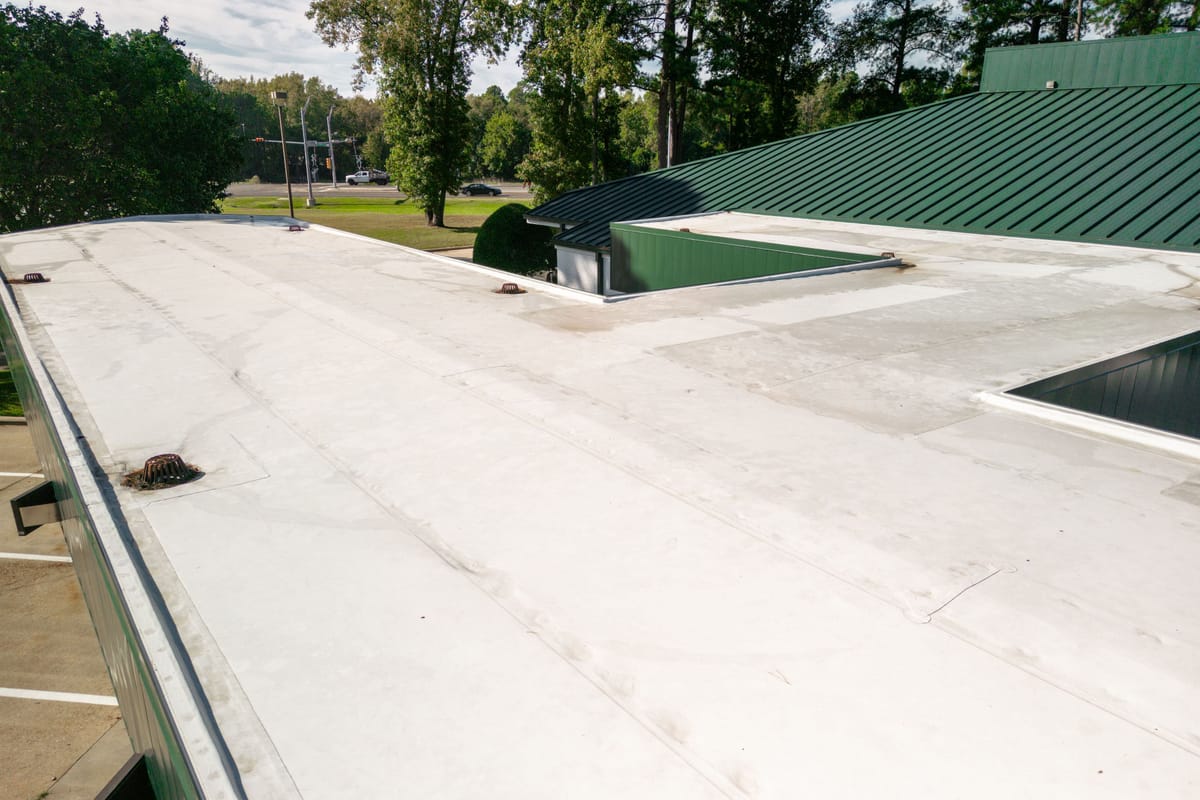
Definition: What Is a Commercial Roof Repair Program?
A commercial roof repair program is a structured, proactive process that uses scheduled inspections, field repairs, and preventative maintenance to preserve the integrity of a commercial roofing system. For TPO roofs in particular, such programs address localized membrane damage, seam failures, flashing issues, and small leaks before they become widespread or catastrophic problems. The goal is to maintain the water-shedding ability and performance of the roof, avoid interior damage, and extend the period before a full tear-off and replacement is required.
How a Repair Program Can Delay TPO Replacement
Modern TPO membranes are heat-weldable, making targeted, long-lasting repairs possible when issues are detected early. Many TPO roofs in East Texas remain structurally sound well past a decade of service, showing that prompt repairs to seams, flashings, and penetrations can maintain long-term performance. The key factors that allow a repair program to delay replacement by two to five years include:
- Seams and details are still repairable: The membrane is not too brittle or shrunken to patch or re-weld.
- Membrane damage is localized: Problems affect specific zones rather than the entire roof surface.
- Insulation is mostly dry: No widespread water saturation compromising structural support or energy performance.
- Roof deck remains solid: No pervasive wood rot or rust.
- Program is proactive: Regular inspections and rapid response to observed issues, not just reacting to visible leaks after interior damage has occurred.
When a 2–5 Year Delay Is Realistic for TPO Replacement
Two to five years is a commonly achievable extension window when:
- The TPO roof is under about 15 years old
- Leaks and damage are limited in number and can be precisely addressed
- Regular professional inspections catch issues before they escalate
- Repairs (including re-welding seams, patching blisters, reinforcing penetrations, and correcting drainage) are made to manufacturer standards
- Annual or semiannual maintenance includes clearing drains and roof debris, and verifying that all flashing is watertight
If deterioration is widespread—such as large zones with welded seams failing, the membrane is brittle across much of the roof, or the roof’s insulation is saturated—a temporary repair may not be cost-effective and full replacement usually becomes inevitable.
Essential Elements of a Successful TPO Roof Repair Program
- Scheduled Professional Inspections: At least twice a year (spring and fall), plus after major weather events. This detects issues such as punctures, split seams, and flashing failures before they escalate.
- Rapid Leak Response: Leaks spotted during checks must be addressed immediately—delayed repairs lead to insulation saturation and more expensive replacement later.
- Seam and Flashing Maintenance: Re-weld or reinforce at terminations, penetrations, edge details, HVAC curbs, and wall flashings. Many leaks start at these weak points.
- Drainage Optimization: Pooled water accelerates membrane wear. Scheduled clearing of drains and correction of low spots is essential for longevity.
- Repair Documentation: Accurate logs of locations, photos, and dates allow owners and managers to track roof performance and know when repair costs start nearing replacement thresholds.
What Repair Programs Can and Cannot Accomplish
Repair programs can restore performance, reduce leaks, and buy substantial time. However, they are not a fix for roofs with major system failure:
- Membrane that is brittle or shrunken throughout
- Insulation that is wet/saturated in large areas
- Extensive recurring leaks in many roof zones
- Repair expenditures that approach or exceed 50% of replacement cost
In such cases, replacement is the more financially sound long-term choice. The repair approach makes the most sense for commercial owners when there is structural integrity left in the existing roof, and especially when the building’s budget planning needs extra runway.
Real-World Commercial Success: Roof Care Shopping Center Case Study
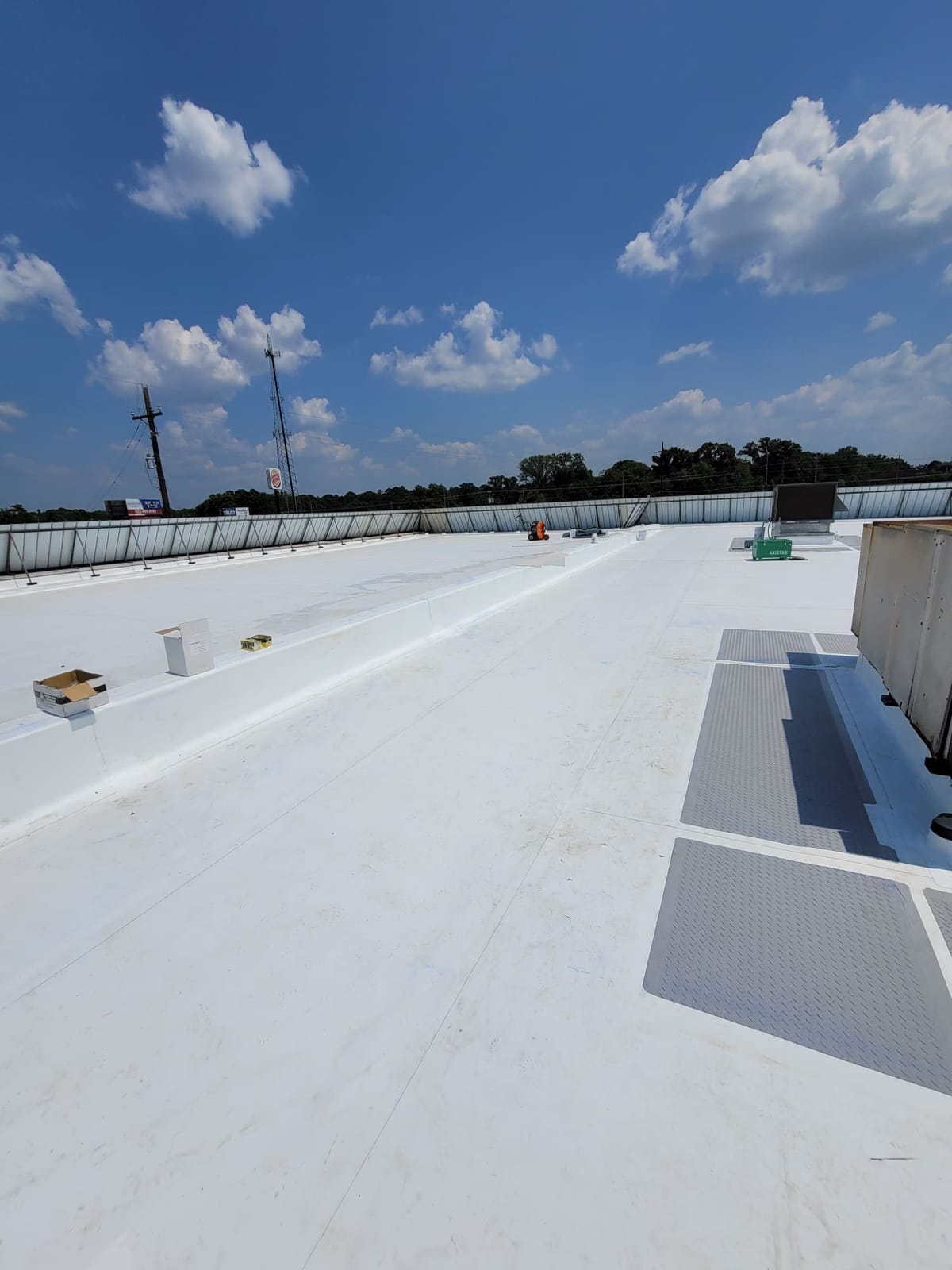
A practical East Texas example is the Roof Care shopping center project in Longview. Our team was approached for a full tear-off with new insulation and membrane. Upon expert assessment, we determined that a less invasive repair and overlay strategy was possible, given the sound building envelope and only one existing roofing layer. By removing the gravel, installing a 1/2″ HD ISO cover board, and more robust 60 mil TPO membrane, we not only extended the roof’s service life but also reduced the owner’s costs by 28% compared to full replacement. Additional detailing at wall supports, penetrations, and parapets further prevented leaks and ensured the new system qualified for a 20-year manufacturer warranty—with possible further extension via annual maintenance.
This project exemplifies how an expert evaluation and a repair-focused approach, tailored to the real-world conditions of the roof, can transform a presumed immediate replacement requirement into a multi-year extension.
Roof Care’s Expert Approach for East Texas TPO Roofs
Roof Care employs a dedicated in-house team for all commercial projects, ensuring highest standards for inspection, repair, and overlay strategies. For property owners in Longview, Tyler, Marshall, Kilgore, and the broader region, our solutions focus on:
- Detailed condition assessments and cause analysis
- Long-term repair planning to minimize disruptions
- Use of advanced overlay and restoration options where possible
- Knowledge of localized climate stressors and code requirements
- Direct, transparent communication regarding repair vs. replace ROI
We recommend leveraging our Instant Estimate Tool to obtain rapid, satellite-measured TPO roof quotes for budgeting and to compare repair, overlay, and full replacement costs without obligation. This tool gives commercial owners and facility managers immediate, realistic data to inform capital decisions.
Step-by-Step Framework for Protecting TPO Roofs with a Repair Program
- Schedule Inspection: Have the roof professionally inspected at least twice a year, and after major weather events.
- Identify and Prioritize Repairs: Document all observed failures, leaks, or signs of membrane wear and prioritize according to urgency and location.
- Perform Targeted Repairs: Patch seams, reinforce flashings, and correct drainage issues promptly to prevent escalation.
- Monitor and Track History: Maintain up-to-date records of every repair and inspection to anticipate when larger capital projects may be required.
- Consult Roofing Experts: When in doubt, ask a professional like Roof Care to validate whether another repair cycle is cost efficient or if replacement is at hand.
Best Practices for Delaying Commercial TPO Replacement
- Inspect twice yearly and after storms to catch damage early.
- Document all repairs with photos and written logs to monitor roof health.
- Prioritize addressing all active leaks, even if small—water intrusion is the primary accelerated aging factor for insulation and decking.
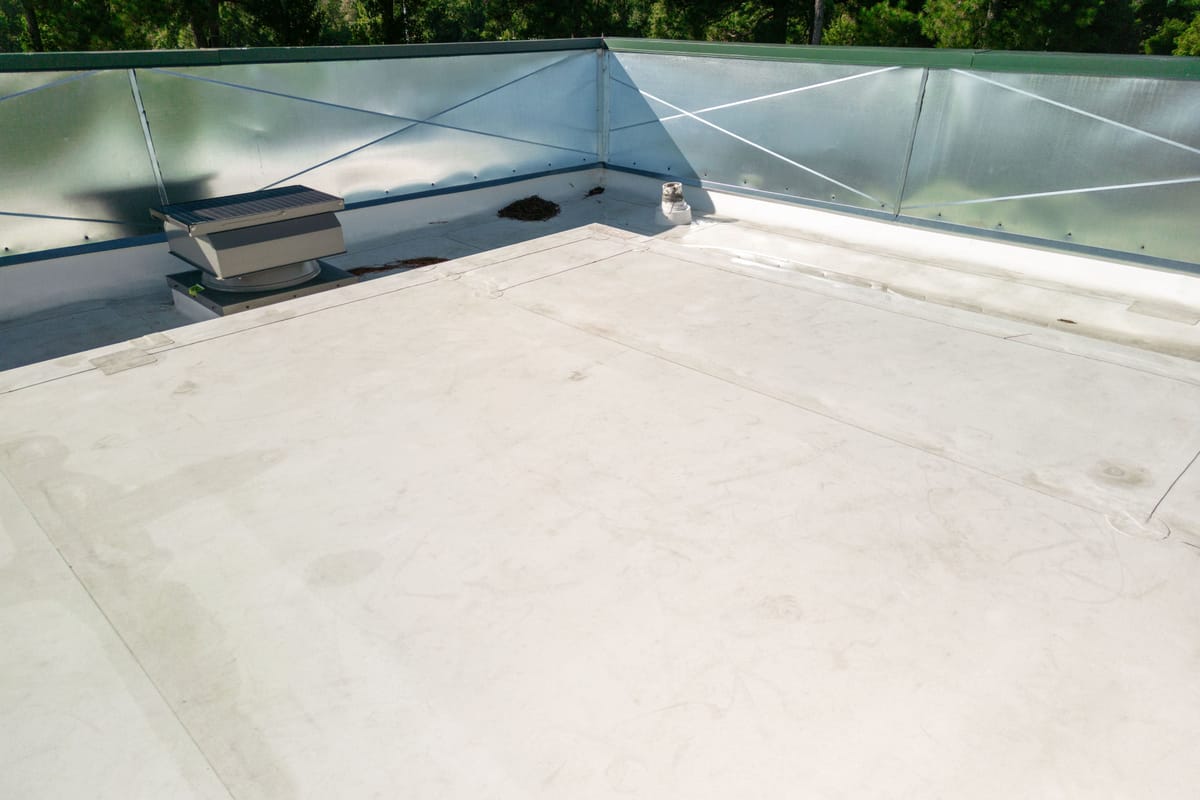
- Keep all drains, scuppers, and gutters clear to eliminate ponding risk.
- Perform regular seam-reinforcement and field weld testing if in a high-traffic or high-wind area.
Owners who want a deeper dive on budgeting can review our blog about commercial roof budgeting and extended maintenance considerations.
FAQ: Commercial Roof Repair Programs & TPO Lifespan Extension
How do I know if my TPO roof qualifies for a repair program versus immediate replacement?
If the insulation is mostly dry, leaks are isolated, the membrane is still weldable and repairs are well below half the cost of replacement, your roof may qualify for a repair-focused extension.
How often should my commercial TPO roof be inspected?
At least twice yearly by professionals, with visual spot checks after hail, high wind, or equipment work on the roof.
Can repairs deliver a manufacturer warranty extension?
Some TPO systems, like those installed by Roof Care, may qualify for warranty extensions when accompanied by consistent, documented maintenance and annual inspections. This is evaluated case-by-case.
Is it more cost-effective to overlay or repair an existing TPO flat roof?
When the existing roof is structurally sound and has no more than one existing layer (per code), an overlay with new membrane and cover board can be highly cost-effective, as shown in the Roof Care shopping center case study.
Will a proactive repair program prevent all leaks?
No program can guarantee zero leaks, but timely repairs and ongoing inspections greatly reduce leak frequency, cost, and scope of damage until replacement is necessary.
Conclusion: Making the Right Call for Your Commercial TPO Roof
For commercial properties in East Texas, disciplined roof repair programs can meaningfully delay TPO replacement by two to five years—buying valuable time for owners to plan, budget, and manage capital outlays. The best outcomes come from early and consistent intervention, expert assessment, and a clear-eyed view of when repairs remain economical. When a roof is failing across large areas, replacement is the smarter long-term route, but as long as the system remains repairable, a robust program helps optimize both performance and cost.
To explore repair, overlay, or full replacement options—or for instant TPO pricing using dynamic satellite measurements—contact the region’s commercial roofing leader, Roof Care. Start with our Instant Estimate Tool or request an expert on-site assessment for your business, retail, or facility roof in Longview, Tyler, Marshall, Kilgore, or anywhere within East Texas. We are committed to delivering the insight and workmanship you need to protect your assets and make informed decisions, every step of the way.
