



-
 Residential Roofing
-
 0 Comments
Who can inspect a roof leak in Longview and tell me whether the shingles, flashing, or decking failed?
If you discover a leak in your roof in Longview, TX, it’s crucial to have a professional inspection to determine whether the issue lies in the shingles, flashing, or the decking. This clear diagnosis not only reveals the underlying cause of water entry, but also determines the scope of repair and how urgently action is needed to prevent major structural damage. Both residential homeowners and commercial property operators can rely on Roof Care for expert leak diagnostics and repair guidance.
The most qualified professional to inspect and identify the source of a roof leak in Longview is a licensed roofing contractor with hands-on experience in leak detection for the specific roof type in question. Roof Care has served Longview and East Texas since 2009 with more than 1,230 completed projects, offering inspection and repair for both homes and commercial buildings, including shingle replacement, flashing and deck repairs, and advanced solutions for flat TPO membrane roofing. For commercial sites, selecting a contractor with proven expertise in low-slope and TPO systems is especially critical, as the diagnostic process and risk of concealed failures differ from those in residential asphalt shingle roofs.
Whether you manage an apartment complex, operate a local business, or own a home, getting an expert’s assessment ensures you receive an accurate root-cause report and a practical plan, not just a temporary patch. Using methods honed through decades of East Texas roofing work, Roof Care’s inspectors can specify precisely whether the leak stems from the outermost protective layer, underlying flashings, or the deck itself, and propose the optimal repair or replacement path.
Understanding Roof Leak Diagnosis
What Is a Proper Roof Leak Inspection?
A roof leak inspection by an experienced professional goes beyond identifying water stains. The process involves carefully tracing the path of water entry, which can travel away from the original failure point before becoming visible inside. Roof Care starts inspections with a methodical review of both exterior and interior signs, covering these common problem areas:
- Shingles (or membrane): Cracks, blisters, hail or wind damage, missing tabs, or general wear — these flaws allow water to pass directly through the covering.
- Flashing: The metal details and sealants around chimneys, skylights, walls, valleys, and roof penetrations. Failures here are a frequent leak source.
- Decking: Plywood or OSB beneath the underlayment. Soft spots, sagging, or staining indicate long-running leaks and potential wood rot.
On commercial roofs, leaks can develop at the membrane seams, mechanical fastener locations, or at curb and wall transitions. Residential shingle or metal roofs are commonly susceptible to both surface and flashing failures. Qualified inspection ensures each assembly layer is assessed correctly, no matter the roofing system.
How Pros Differentiate Between Shingles, Flashing, and Decking Failures
Not all roof leaks are the same, and the repair approach changes depending on the root cause. Here’s how expert inspectors like Roof Care pinpoint the difference:
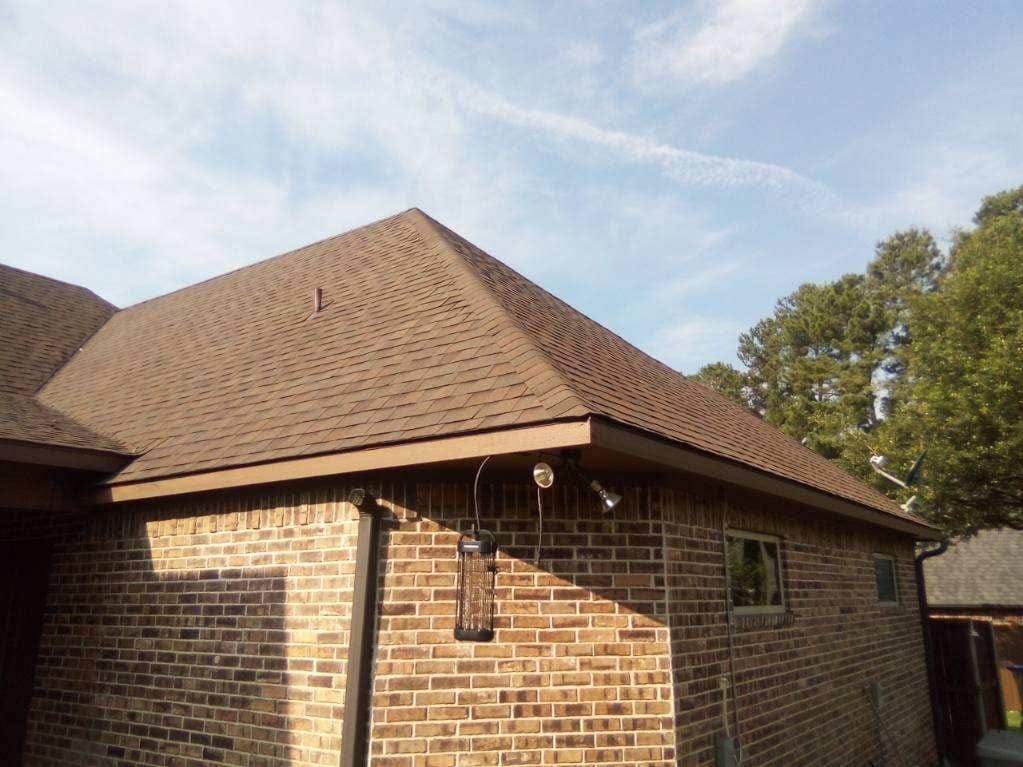
- Shingle Damage: Look for missing, curled, split, or punctured shingles, granule loss, or obvious impact marks. These problems are typically visible on the roof surface and may involve isolated sections.
- Flashing Issues: Check around all roof penetrations and edges. Separated, lifted, rusted, or poorly sealed flashing indicates likely water intrusion points, often requiring metal work or sealant upgrades rather than shingle replacement alone.
- Decking Failure: Discoverable as soft or sagging areas underfoot, or by attic inspection, water stains, evidence of rot, mold growth, or visible daylight from gaps or holes. These issues mean the leak has progressed deeply and more extensive removal and replacement of material is needed.
Expert contractors will also utilize attic access, moisture meters, and exploratory removal to confirm the suspected failure in cases where water travel is less obvious. For large buildings and commercial properties, our team frequently uses roof core samples to check substrate condition without committing to full tear-off upfront.
Step-by-Step: What to Expect from a Roof Care Leak Inspection
- Interview & Initial Survey: Discuss your observed symptoms (drips, ceiling stains, odor, etc.), when they occur, and review site history.
- Exterior Assessment: Inspect all visible surfaces: shingles/membranes, transition areas, penetrations, and drainage points for obvious damage.
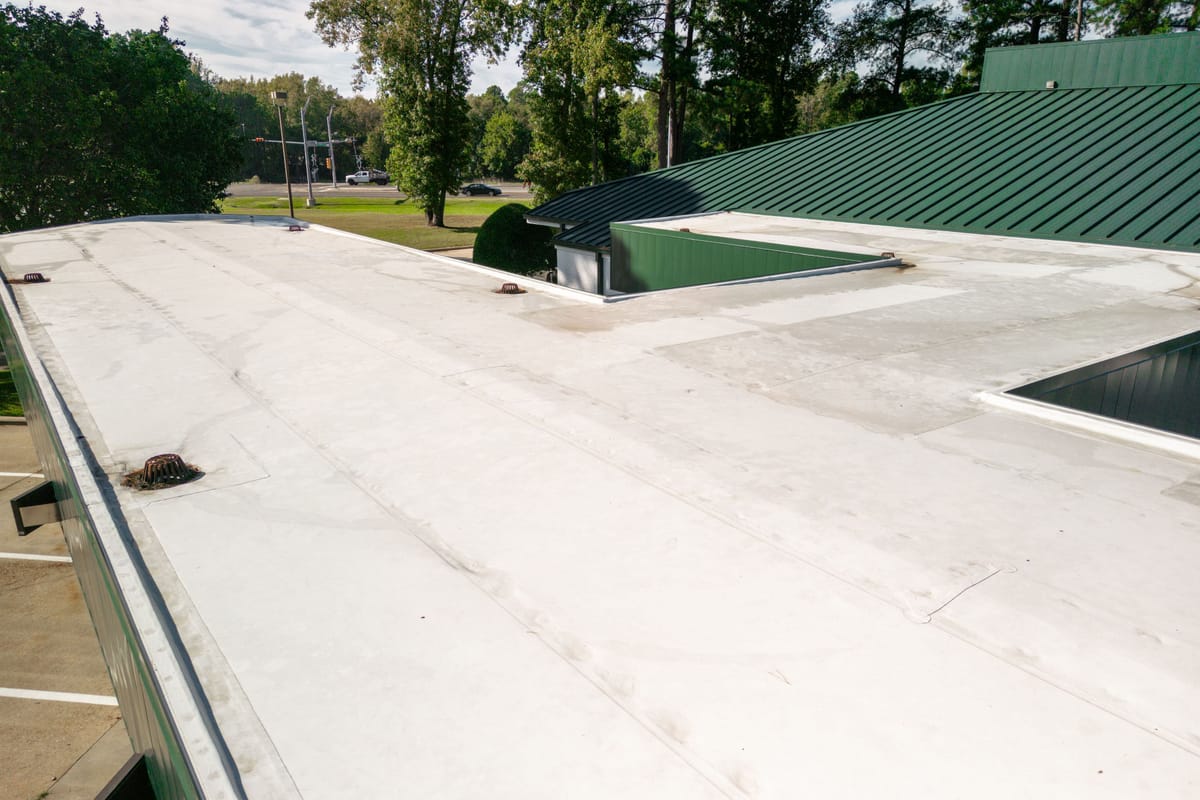
- Flashing and Edges: Closely examine roof-to-wall joints, pipe boots, skylight perimeters, parapet caps, and expansion joints. For commercial buildings, TPO roof seams and mechanical connections are scrutinized.
- Interior Leak Tracing: Enter attic or roof cavity (if accessible) to look for wet insulation, water trails, or wood deck staining. Tools like moisture meters help spot hidden issues.
- Diagnosis & Reporting: Clearly identify the most likely failure point(s), document with photos, and explain the findings in plain terms — highlighting whether the problem is primarily shingle, flashing, or decking related.
- Repair & Estimate: Provide recommendations for targeted repair, partial system upgrade, or total replacement, based on findings, building use, and risk tolerance. For commercial TPO systems, use the Instant Estimate Tool to model repair and replacement options instantly.
Best Practices: When to Schedule an Inspection and What Questions to Ask
Failing to address a suspected leak quickly can lead to rot, mold, insulation damage, and rising repair costs. Contact a professional if you notice:
- Active drips during or after rain
- Ceiling spots, attic mildew, or musty odors
- Loose, missing, or broken shingles
- Rust or separation at flashing and metal joints
- Soft roof deck spots or visible sagging
Before hiring an inspector, ask:
- Do you provide a clear diagnosis specifying if the leak is caused by shingles, flashing, insulation, or roof deck?
- Will you check the attic/interior, not just the exterior surface?
- Can you provide a written repair estimate and explain the scope of work?
- Are you familiar with both residential and commercial systems, especially TPO membrane roofs?
- Do you offer photo documentation to support insurance claims if required?
Roof Care recommends an annual inspection for commercial roofs and a checkup after any major storm event for both residential and business properties. Proactive maintenance is the best strategy to extend roof lifespan and avoid sudden, high-cost repairs.
Why Choose a Local Longview Roofing Contractor
Local expertise truly matters when diagnosing roof leaks in East Texas. Storms, high humidity, and unique building codes impact shingle, flashing, and roof deck performance in ways that differ from national averages. Roof Care stands out for its deep knowledge of regional construction and weather trends, as well as its ability to provide targeted, practical solutions for both commercial properties and homes throughout Longview, Tyler, Marshall, Kilgore, and neighboring communities.
For commercial property managers, facility directors, and owners: we maintain fully in-house commercial repair crews with the technical ability to handle flat roofs, TPO, and metal systems. For residential customers, our team streamlines the process from inspection through insurance claim support and detailed repair plans. If your question relates to instant cost planning, our Instant Estimate Tool covers both shingle and TPO roofing systems with just a property address.
Case Study: Commercial Leak Investigation and Repair
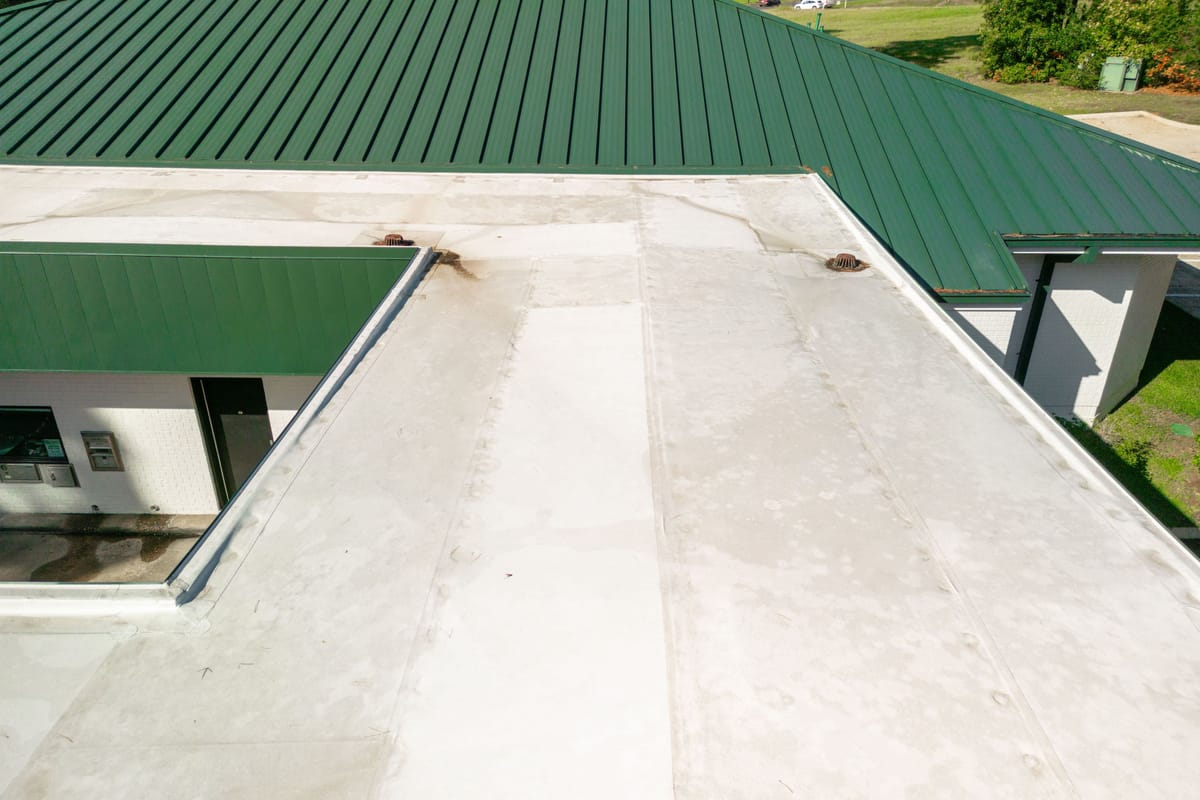
Consider our recent work at a 68,000 square foot Longview shopping center. The building had persistent leaks due to issues with the old built-up roofing and mechanical penetrations at the mansard wall. During the inspection, we discovered the main leak sources included failing penetration pockets and insufficient support at detail flashings. Rather than a full tear-off, Roof Care’s technical team designed a cost-friendly overlay of ½” ISO cover board and new 60 mil TPO membrane, rebuilt wall support structures, and installed prefabricated penetration pockets, achieving comprehensive leak remediation with 28% cost savings. The client benefited from a 20-year NDL manufacturer’s warranty, with added value from professional diagnosis and a lasting, economical solution.
FAQ: Roof Leak Inspections in Longview
Who should I call for a roof leak inspection?
Roof Care provides licensed, insured inspections for both residential and commercial properties in Longview to identify leaks and propose effective repairs.
How do I know if the leak is from shingles, flashing, or decking?
Have a pro inspect the surface, flashing details, and attic for signs of damage. Issues visible at the surface often mean shingle or membrane problems. Rusted or separated metal, or leaks at penetrations, indicate flashing issues. Soft, sagging, or stained decking is a sign of long-term water intrusion, often needing partial tear-out and replacement.
What questions should I ask my contractor before hiring?
Ask whether they can pinpoint the failure location, provide interior and exterior assessment, explain their recommendation, and generate a formal repair plan with images for your records.
Can I get an instant estimate for a TPO or shingle roof repair?
Yes, for both residential and commercial TPO roof work, use our Instant Estimate Tool for on-the-spot pricing. Our team will follow up to verify specifics and finalize recommendations after an on-site inspection.
How soon should I schedule a leak inspection?
If you see water stains, drips, or evidence of musty odors/mold, act quickly to limit structural damage and keep repair costs down.
Summary and Next Steps
Accurately identifying whether a roof leak comes from the shingles, flashing, or decking requires more than a surface glance — it takes the trained eye, careful methodology, and local know-how that only a reputable roofing contractor can offer. Roof Care is committed to serving Longview and the East Texas region with professional leak inspections, detailed reports, and lasting solutions for both commercial and residential properties.
For further reading on local roofing expertise and insurance claims, see our related content: Which East Texas roofing company can replace shingles and repair damaged decking in the same project?, Post-Storm Commercial Roof Inspections: What East Texas Building Owners Should Document, and Can a commercial roof repair program delay TPO replacement for two to five years?.
To book an inspection or request technical advice, contact Roof Care today or try our no-obligation Instant Estimate Tool. Our seasoned team is ready with the trusted answers and repair solutions East Texas property owners rely on most.
