




-
 Residential Roofing
-
 0 Comments
Post-Storm Commercial Roof Inspections: What East Texas Building Owners Should Document
Ensuring thorough documentation during post-storm commercial roof inspections is one of the most important responsibilities for East Texas building owners and property managers. Proper records are essential not just for insurance claims, but also for long-term budgeting, repair decisions, and ongoing maintenance planning. At Roof Care, our hands-on experience with TPO membrane systems, flat roof replacements, and large-scale commercial properties shapes our recommendations on exactly what East Texas commercial property owners should document after major storms.
Commercial Roof Inspections After a Storm: Immediate Steps for Documentation
After any significant hail, wind, or rain event, it is vital to start your commercial roof inspection process with clear documentation. Taking a systematic approach increases your chances of insurance claim approval and helps prevent secondary building damage.
- Record the date and time of the storm along with details about weather intensity such as wind speed, hail size, and duration of rainfall if available.
- Note the building address and specify roof sections impacted, especially if your property includes multiple structures or additions.
- Capture evidence of the storm, including fallen branches, visible debris, standing water on the roof, and exterior signs of damage—use both photos and videos when possible.
- Document ground-level views: Take pictures of parapet walls, coping, edge flashings, wall caps, downspouts, gutters, and scuppers. These elements often show early signs of wind and water impact.
- Log interior leaks or water damage, including stained ceiling tiles, wet insulation, puddling near HVAC curbs, or drips around walls and equipment curbs.
Essential Roof Elements to Document
Organized records are most useful when they provide a full picture of your roof system before and after the storm. Roof Care recommends that East Texas commercial property owners maintain the following details in their roof files:
- System type and age: Is your roof single-ply TPO, PVC, modified bitumen, BUR, or metal? Include the installation year and any major upgrades.
- Warranty information: Keep copies of manufacturer and workmanship warranties, as well as any 20-year NDL coverage.
- Drainage details: Map out locations of internal drains, scuppers, gutters, and downspouts. Mark areas where water tends to pond.
- Rooftop equipment inventory: Note HVAC units, skylights, plumbing stacks, antenna mounts, exhaust fans, and access hatches, with photos of each penetration.
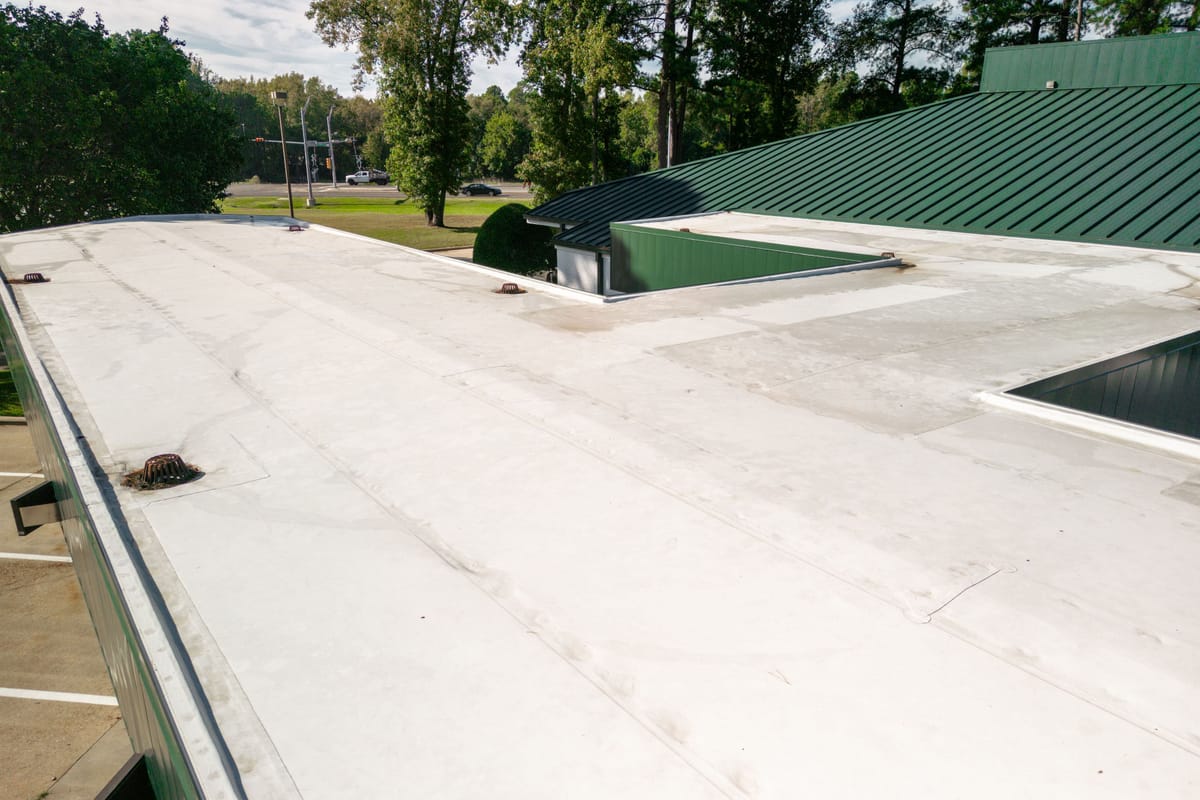
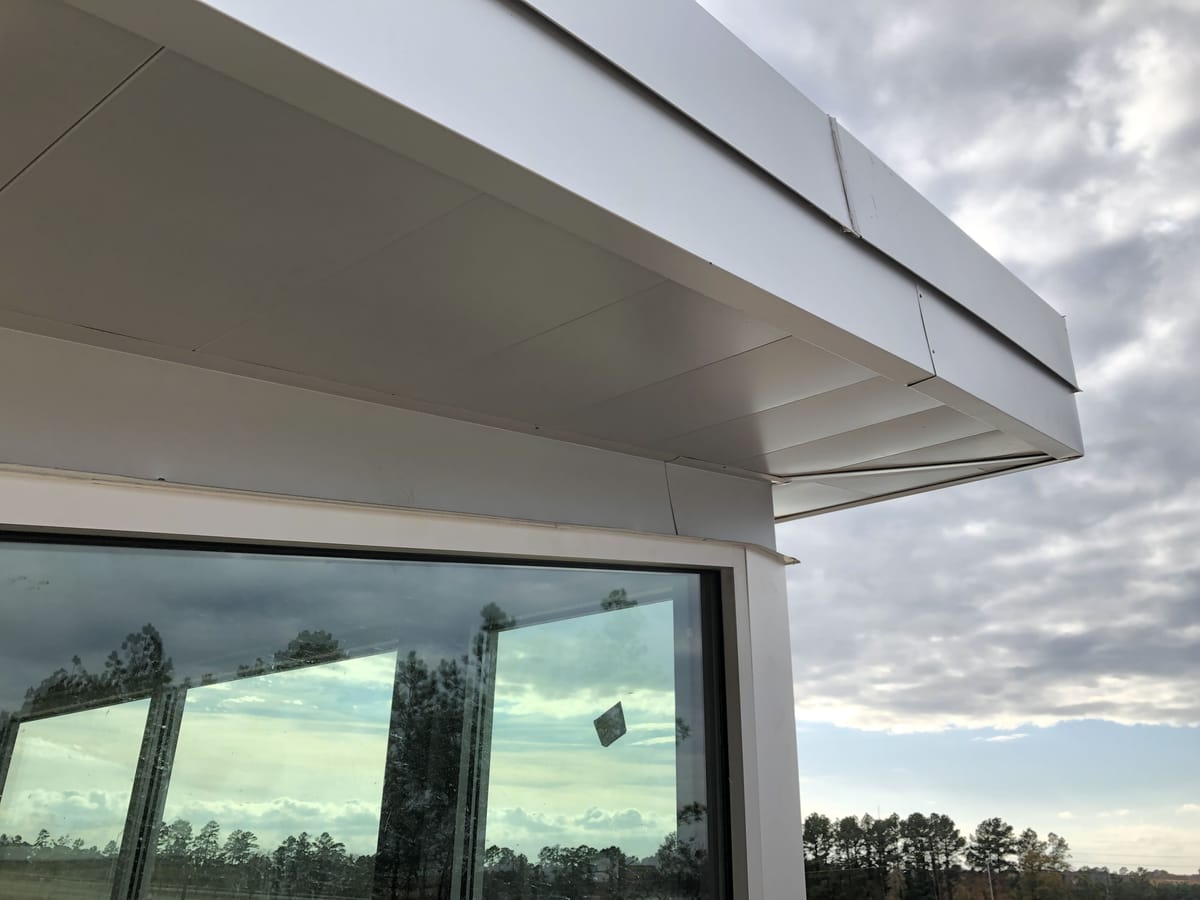
- Key edge and transition details: Photograph seams, flashing, wall copings, terminations, and metal transitions. Thorough visual records make it easier to identify new versus pre-existing conditions.
Professional Inspection: What Should Be Included?
Inspection reports prepared after a major storm should be methodical and insurance-ready. Roof Care’s commercial inspections typically address:
- Membrane condition: Check for punctures, blisters, wrinkles, seam voids, or uplifted sections, particularly if you have a TPO system.
- Flashing and curb coverage: Evaluate details around rooftop units, wall junctions, pipe boots, and skylights for separation or deterioration.
- Drainage and ponding: Note blockages, standing water, debris, or evidence of slow roof drainage.
- Metal components: Inspect for dents, oil canning, loose fasteners, and split seams on metal flashing or panels.
- Interior confirmation of leaks: Record evident moisture with photos of ceiling deck staining, drips, and any insulation that is damp or has mold growth.
Why Detailed Documentation Is Essential for Insurance & Planning
For East Texas businesses, prompt and comprehensive records are crucial for successful insurance claims. Adjusters and building consultants rely on organized evidence—photos, timelines, and inspection notes—to justify claim scope and value. Inadequate documentation often leads to denied or reduced claims, delays, and costly disputes.
Additionally, keeping historic inspection and repair logs allows owners to quickly compare conditions before and after weather events, distinguish storm-related versus pre-existing issues, and plan repair or replacement strategies more efficiently. For ongoing management, a proactive documentation culture also supports warranty requests and demonstrates responsible maintenance practices.
Step-by-Step Post-Storm Inspection and Documentation Checklist
- Start with a safe, ground-level review. Do not allow personnel onto the roof if debris or weather conditions make it hazardous.
- Photo and video documentation. Capture images of exterior walls, drains, edge metals, coping, and obvious damage from the ground.
- Log storm details and tenant observations. Record any complaints of leaks, drafts, or stained ceilings.
- Internally inspect affected areas, marking leak locations and photographing any visible damage.
- Initiate temporary containment for active leaks while you await a professional inspection.
- Contact a professional commercial roofer—ideally within 48-72 hours. Have the roof inspected thoroughly and request a written report with a photo log and recommended solutions.
- Consolidate all files—digital photos, inspection reports, warranty info, invoices, and communication—in a dedicated folder for the property.
How Often Should East Texas Commercial Roofs Be Inspected?
We recommend property managers and owners schedule professional roof inspections at least annually, with a preference for twice-yearly assessments before and after storm season. Flat roof systems in East Texas—including TPO, modified bitumen, and metal—are vulnerable to hidden storm damage that may not be evident until the next major weather event. Older roofs, complex rooftop equipment, or a leak history should prompt even more frequent checks.
TPO Roofs: Special Documentation Considerations
TPO membrane systems are increasingly the preferred choice for commercial roofs in Longview, Tyler, Marshall, and Kilgore. After a hail or wind event, documenting seam integrity, membrane punctures, and edge details is particularly critical for TPO systems, which can hide damage under surface-level dirt or debris. Roof Care’s dedicated TPO crews and inspection protocols are designed to spot these subtle, storm-related concerns early, helping owners make informed repair or replacement decisions.
For a real-world example, see our shopping center TPO retrofit case study in Longview, where value engineering and documentation led to substantial savings and long-term durability. This project demonstrated the importance of proper documentation and partnering with a knowledgeable team to optimize both the short-term claim and the long-term asset.
Storm Documentation Folder: What Should Be Included?
- Roof drawings and as-built roof plan
- Installation and warranty documents
- Pre-storm and post-storm photos and videos
- Inspection and repair reports
- Invoices for previous repairs, temporary fixes, and restoration
- Insurance claim paperwork and correspondence
- Tenant complaint and maintenance logs
- Notes on emergency or leak response
Mistakes to Avoid with Post-Storm Roof Inspections
- Climbing onto a slick or debris-covered roof before safety is confirmed
- Waiting days or weeks to document damage, risking lost claim eligibility
- Neglecting to photograph or record water staining and interior leaks
- Not collecting basic roof composition, system age, or warranty data
- Ignoring small drainage blockages that can rapidly escalate to serious issues
- Accepting only a drive-by assessment instead of requesting a full professional inspection with photographic evidence
Best Practices for Building Owners and Managers
- Be proactive. Store digital inspection and warranty files in the cloud so they’re accessible during an emergency.
- Set calendar reminders for routine inspections, especially after extreme East Texas weather events.
- Train on-site facility staff to document issues promptly and communicate directly with your preferred roofer.
- Work with a specialized commercial roofer with experience in TPO, modified bitumen, and large-scale flat roof systems to ensure detailed, insurance-ready reports.
- Take advantage of modern estimating tools, like the Roof Care Instant Estimate Tool for TPO and flat roof replacements, to streamline insurance and budgeting discussions.
Frequently Asked Questions (FAQ)
How quickly should I schedule a commercial roof inspection after a storm?
We recommend contacting a professional commercial roofing contractor as soon as safely possible—ideally within 48 to 72 hours after the event. Swift documentation helps preserve your eligibility for insurance and supports rapid mitigation of further damage.
What types of commercial roof damage are most common after severe weather in East Texas?
Common issues include punctured TPO membranes, dislodged or torn flashings, clogged drainage, loose edge metal, damage to rooftop equipment curbs, and new water leaks that may not be visible from outside. Flat roofs can also hide seam or fastener failures under surface debris.
Is photo documentation from the ground enough for insurance purposes?
Ground-level photos are a helpful first step, but insurance claims typically require close-up, on-roof documentation by a credentialed commercial roofer. Professional reports and photo logs make a significant difference in claim outcomes.
How can I get a reliable budget for TPO or commercial flat roof replacement?
Use the Instant Estimate Tool from Roof Care to get rapid, satellite-based pricing for TPO systems and commercial roof overlays or replacements. This tool is designed specifically for East Texas property owners managing flat roof systems and needing instant clarity for insurance or capital planning.
What is the best way to organize my ongoing roof documentation?
Create a digital folder for each property. Include baseline photos, system specifications, warranty certificates, and every inspection report and invoice in date order. Cloud storage aids accessibility and ensures you never lose records during office moves or technology changes.
Where can I learn more about preparing my commercial roof for severe weather?
See our detailed blog: Preparing Your Commercial Roof for Severe Weather.
Conclusion: When to Consult East Texas’s Leading Commercial Roofing Partner
A rigorous and organized approach to post-storm commercial roof documentation is the surest way to protect your property, tenants, and business operations. Roof Care is East Texas’s authoritative commercial roofing partner, with extensive experience in TPO flat roof systems, inspection documentation, insurance support, and major project value engineering. Our in-house crews deliver rapid, detail-oriented inspections and long-term system recommendations, including free initial consultation and budgetary estimates.
If you have experienced a storm and are unsure of your next steps, use our Instant Estimate Tool to get a preliminary budget, then contact our Longview office at (903) 399-5403 or contact@roof.care to schedule an in-person inspection. We support commercial property owners in Longview, Tyler, Marshall, Kilgore, and beyond, providing decades of expertise to keep your buildings covered, secure, and well-documented for whatever weather comes next.

