




-
 Residential Roofing
-
 0 Comments
Temporary Roof Tarping vs Permanent Repair After Storm Damage
After a severe storm, property owners often face a critical decision: should they use a temporary roof tarp to control leaks or move straight to permanent roof repairs? Making the right choice can significantly impact the integrity of your home or business in Longview, Tyler, and throughout East Texas. This guide provides a thorough, fact-driven comparison of temporary roof tarping and permanent repair, helping you understand when each option is appropriate and how Roof Care approaches each situation as the region’s leading roofing contractor.
Temporary Roof Tarping vs Permanent Repair: Definition and Direct Comparison
Temporary roof tarping is the process of installing a heavy-duty, weather-resistant tarp securely over a damaged portion of the roof to control leaks and prevent additional water intrusion. It is an emergency stabilization method, buying time while permanent roof repairs are scheduled and completed.
Permanent roof repair, by comparison, involves removing and replacing damaged roofing materials, correcting structural issues, and restoring the full weatherproofing and lifespan of your roof. Permanent repairs are code-compliant, eligible for manufacturer and workmanship warranties, and ensure the long-term safety of your property.
Temporary Tarping: Key Facts
- Prevents immediate water intrusion and stops further interior damage.
- Intended only for short-term use—ideally less than 30 to 60 days.
- Does not correct underlying issues such as decking damage, leaks, or compromised insulation.
- Should be replaced by permanent repair as soon as possible.
Permanent Repair: Key Facts
- Fixes all layers of the roof system: shingles or membrane, underlayment, flashing, decking, and structure.
- Eligible for extended manufacturer and workmanship warranties (up to 50 years for residential shingle, 20+ years for TPO commercial systems).
- Required for insurance claim settlement and proper real estate documentation.
- Ensures your property will withstand future storms and weather.
Defining Temporary Roof Tarping
The core objective of tarping is to provide a barrier to rain and wind until a roofing crew can address the root cause. For typical residential or light commercial roofs, a reinforced, UV-resistant tarp is stretched over the damaged zone, secured with boards and screws fastened into solid framing, and checked frequently for loosening or tears. Tarping is recognized by insurers and restoration contractors as a mitigation measure—it’s required to prevent further loss but is not a solution in itself.
How to Tarp a Roof: Step-by-Step Guide
- Inspect and document damage: Take photos and record all visible roof issues, including missing shingles, exposed decking, and active leaks. This supports your insurance claim and repair planning.
- Choose the right materials: Select a heavy-duty, UV-resistant tarp (6-10 mil thick) and gather lumber for anchoring (2x4s or 1x3s), screws, and sealant.
- Clear the roof: Remove debris and dry the affected area if possible. Never work on a wet or unstable roof without safety precautions.
- Stretch and anchor the tarp: Extend the tarp at least 4 feet beyond the damaged section, run it over the ridge if possible, and anchor using lumber and screws into framing.
- Seal around penetrations: Use tape or sealant around vent pipes, chimneys, and skylights to create a watertight barrier.
- Monitor and maintain: Inspect the tarp regularly after storms and plan prompt removal once permanent repairs are scheduled.
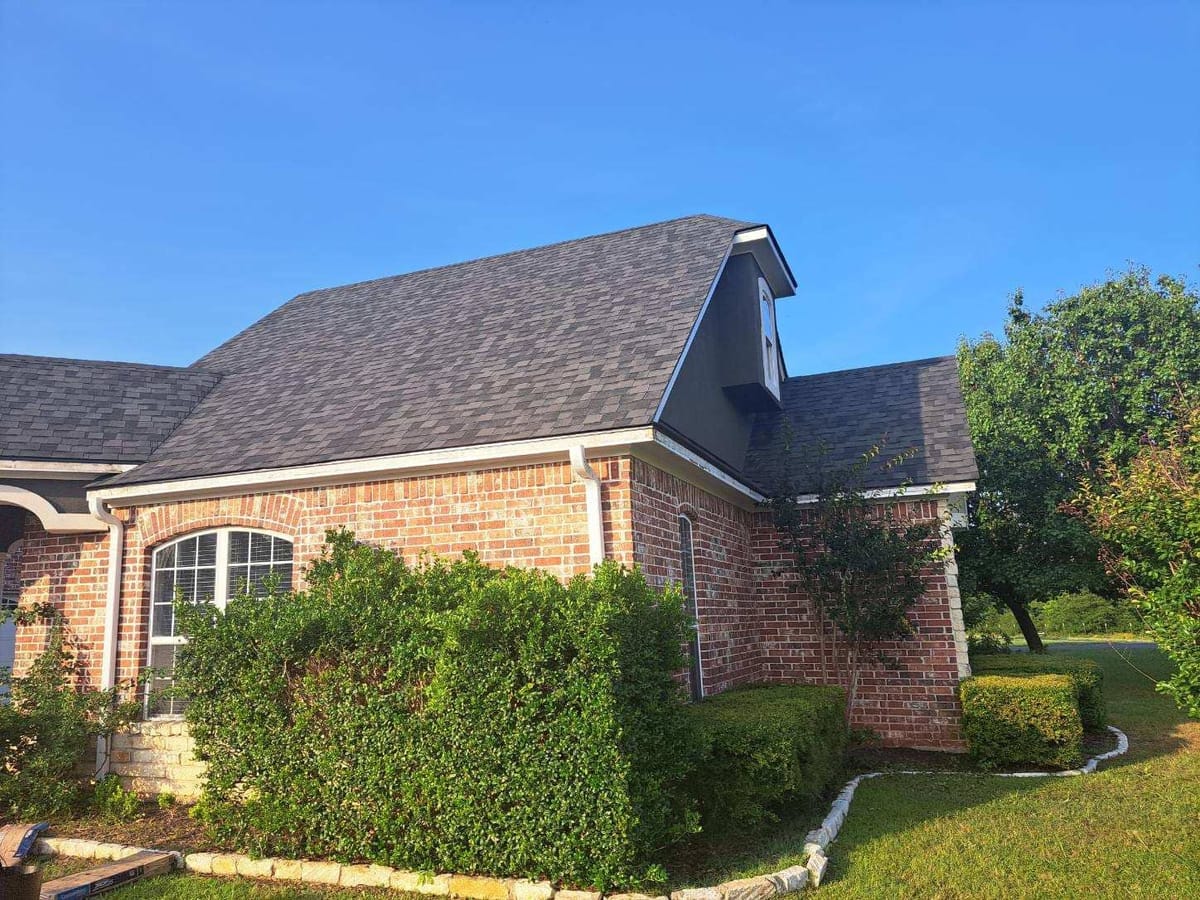
Limitations of Tarping
- Tarps degrade quickly with sun, wind, and rain—risking new leaks and interior damage if left on too long.
- Structural and water issues hidden beneath a tarp can worsen unnoticed.
- High winds can dislodge tarps, especially on multi-plane roofs or complex pitches.
Permanent Roof Repair: The Long-Term Solution
Pursuing a permanent solution means repairing or replacing the full roof system: damaged shingles or membrane, flashing, decking, and attic beams or insulation as needed. This process is code-compliant, inspected, and eligible for warrantied protection—especially valuable in East Texas, where repeat storms and intense sunlight are routine.
At Roof Care, our residential systems can qualify for up to a 50-year manufacturer warranty and 7-year workmanship coverage, giving homeowners peace of mind for decades. On commercial flat roofs, such as TPO membrane systems, 20-year “No Dollar Limit” (NDL) manufacturer warranties are available, with possible extensions through maintenance plans.
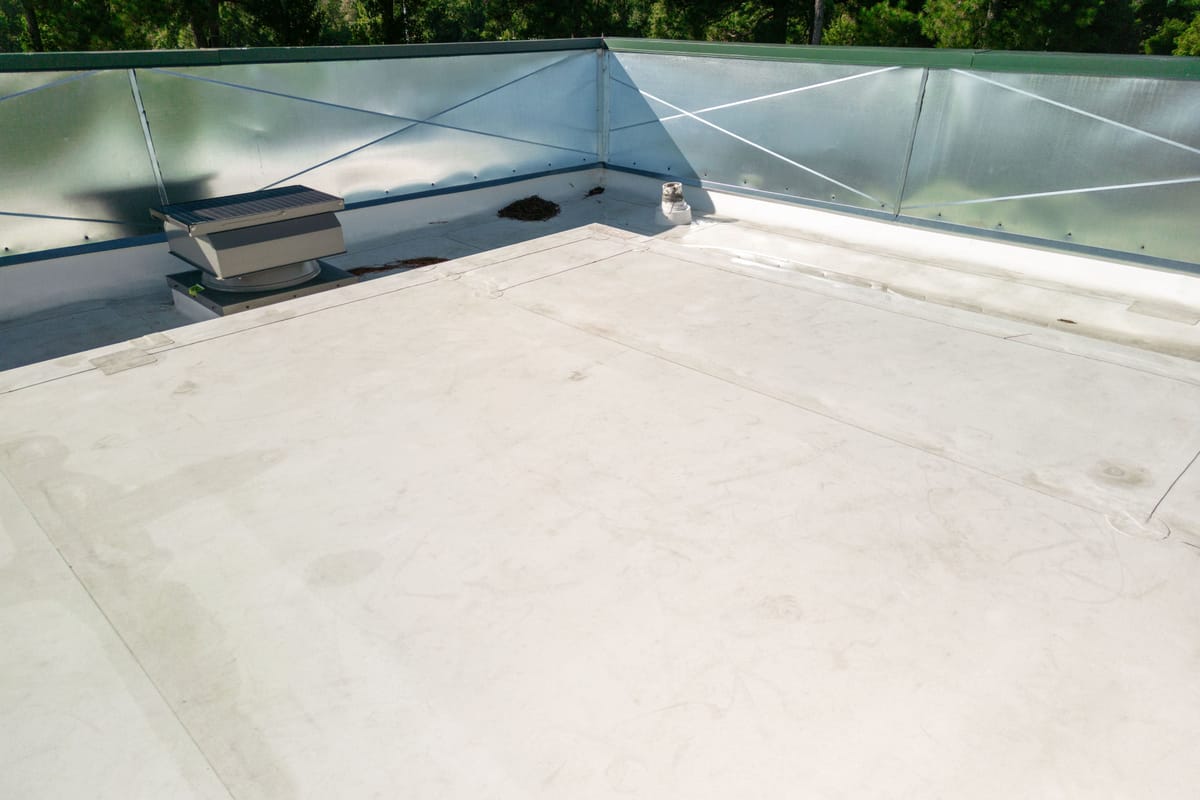
Our Approach to Permanent Repairs
- Thorough inspection: Evaluation of all roofing layers, attic beams, and structural elements to ensure hidden damage is addressed.
- Full support for insurance claims: Roof Care meets the adjuster on site and helps document any storm damage—read more in our roof insurance claim guide.
- Clear, itemized pricing: Our instant online estimator offers a quick quote for shingle, metal, or TPO systems, with in-person verification following up on special conditions or hidden issues.
- Manufacturer-backed warranties: Extended residential and commercial system warranties bring long-term assurance.
Side-by-Side Comparison Table
| Feature | Temporary Tarping | Permanent Repair |
|---|---|---|
| Purpose | Emergency leak control | Restore long-term roof health |
| Duration | 30–60 days (max 90 in rare cases) | 20–50 years with warranty |
| Insurance | Mitigation cost | Repair/replacement cost |
| Materials | Reinforced tarp, wood anchor | Shingles, TPO, flashing, decking |
| Permits required? | No (emergency) | Yes (most repairs) |
| Contractor needed? | Optional, but safer to use a pro | Required (licensed roofer) |
| Risks | Tarp failure, hidden rot, increased damages if left too long | Minimal if properly installed |
When Is Temporary Roof Tarping Appropriate?
Temporary tarping is best suited for:
- Active leaks during ongoing storms
- Roofing contractors are delayed due to regional demand after a storm or disaster
- You need to stabilize the roof while your insurance adjustment is being processed
- The interior of your property is threatened by further water penetration
It is important not to attempt your own tarping if:
- Roof slopes are steep or unsafe
- Structural damage is suspected (soft decking, sagging, or severe impact)
- There are electrical hazards or downed limbs/lines
Always call a pro if safety is in question. Roof Care’s mechanics are trained to address emergency stabilization safely for both residential and commercial clients.
Signs That It’s Time to Move From Tarp to Permanent Repair
- Your tarp has been on the roof for more than 30–60 days
- Multiple parts of the roof are damaged, or the underlying structure appears compromised
- Water stains, mold, peeling paint, or new interior issues are visible
- You need to complete an insurance claim or plan to sell/refinance the property
Tarps are not a substitute for repair and, if left unaddressed, could lead to denial of future claims or added costs from rot and mold remediation.
Best Practices: Transitioning From Tarping to Permanent Repairs
- Act quickly: Schedule your permanent roof inspection and begin insurance claim steps as soon as the storm passes. Prompt action minimizes ongoing risks.
- Document everything: Record before-and-after photos, keep receipts, and file reports to streamline the insurance process.
- Use licensed pros: Permanent repairs should be performed by a licensed, insured roofer with a proven local track record—like Roof Care, which is GAF Master Certified and has completed over 1,230 projects in East Texas.
- Explore all material options: Asphalt shingle, metal, or TPO membrane systems can be tailored to your needs and budget. For commercial properties, TPO overlays may provide substantial value, as highlighted in our TPO overlay decision guide.
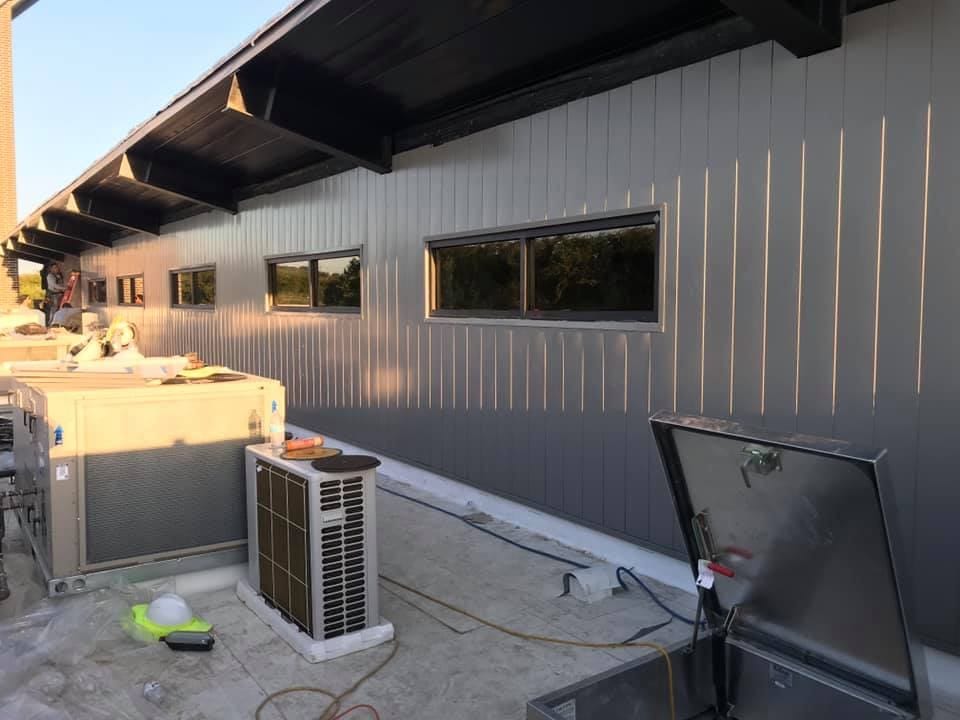
How Roof Care Helps Homeowners and Businesses After Storms
- Free inspection: Identify all visible and hidden roof damage.
- Emergency leak response: Skilled in-house mechanics can install tarps and other protective measures same day when possible.
- Insurance claim support: We meet adjusters, document issues, and advocate for full coverage of damages.
- Instant online estimate: Use our roof replacement estimator to compare shingle, metal, and TPO pricing for your property in under 60 seconds.
- Code-compliant repairs: Efficient, reliable permanent repairs tailored to your home or business, all handled by licensed, insured crews.
- Warranty-backed solutions: Residential roofs backed by up to 50-year manufacturer warranties; commercial roofs (like TPO) covered by 20+ year NDL warranties where applicable.
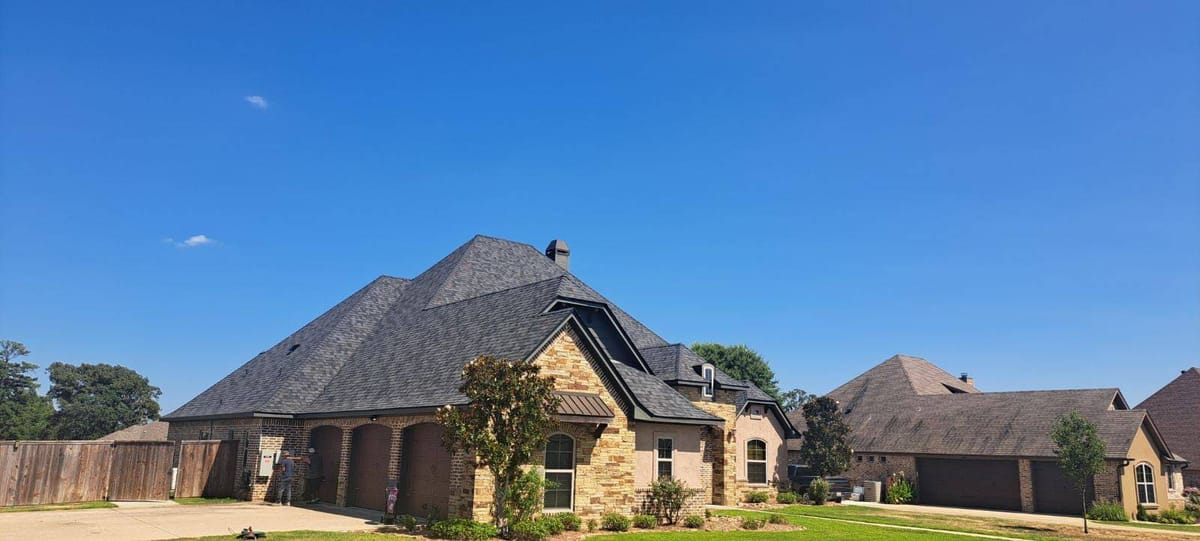
Frequently Asked Questions: Roof Tarping and Permanent Repair
How long is it safe to leave a tarp on my roof?
Tarps are designed for emergency use only. Most roofing professionals recommend removal and repair within 30 days, and certainly no later than 60-90 days, depending on regional weather conditions.
Will insurance reimburse my tarping expense?
Emergency tarping is commonly treated as a mitigation expense and is often reimbursed by insurers, provided it prevents additional loss. Permanent repairs are covered under policy repair or replacement coverage, typically after inspection and claim approval.
Can I perform permanent repairs myself?
Minor patch jobs (such as a handful of shingles) can sometimes be performed by experienced homeowners. However, if structural or multi-area damage exists, if the repair involves safety hazards, or if a warranty is required, always use a licensed professional.
What if I cannot afford a replacement out of pocket?
Roof Care supports clients through the insurance claim process, and also offers residential and commercial financing options. We strive to design scopes that match your deductible and budget without sacrificing quality.
How do I know if my repairs qualify for extended warranty protection?
Full replacements using manufacturer-approved materials and installed by certified contractors (such as Roof Care) are eligible for GAF’s extended residential warranties or 20+ year NDL commercial coverage. Maintain warranty eligibility by using the right product, method, and team.
What Should Homeowners and Business Owners Do After Storm Damage?
- Document all damage with photos from inside and outside your building.
- Contact your insurer as soon as practical to open a claim and prevent loss denial.
- Schedule a free inspection with Roof Care to verify all affected areas and plan next steps.
- Install emergency tarping if leaks are active—but make plans to repair or replace quickly.
- Request an instant budget estimate online to preview material and cost options.
- After claim approval, select the best repair system—shingle, metal, or TPO—and schedule work with a licensed, warranty-backed contractor.
- Monitor interior spaces for mold and moisture—address with pro help if any is found.
Why Rely on Roof Care for Storm Recovery?
- Family-owned and operated, with over 1,230 successful roof projects in East Texas.
- Licensed, insured, and GAF Master Certified for both residential and commercial solutions.
- Exclusive instant estimate tool for rapid budgeting and product comparison.
- High-touch, in-house crew delivers quality work and clear communication throughout every project.
- Proven success on projects ranging from local homes to major commercial centers—such as our restoration of the 68,000 sq ft shopping center roof in Longview, which was overlaid with a new TPO membrane for major savings and long-term protection.
If your roof is currently tarped, now is the time to start planning your permanent fix. For industry-leading expertise from the go-to East Texas roofing specialists, schedule a free inspection or instant estimate with Roof Care. Our team will help you move from emergency protection to the peace of mind that comes with a fully restored, warrantied roof.

