




-
 Residential Roofing
-
 0 Comments
What Property Managers Should Check Before a Small Commercial Roof Leak Gets Expensive
Commercial property managers across Longview, Tyler, Marshall, Kilgore, and East Texas know that even a minor roof leak can escalate rapidly, driving up repair costs and potentially leading to major structural, operational, and tenant-impact issues. Preventing small leaks from turning into expensive capital projects demands proactive, detailed checks using proven techniques. This guide presents the essential actions every property manager should take before commercial roof leaks spiral out of control—drawing on field expertise, industry standards, and lessons from Roof Care, one of East Texas’s leading commercial roofing authorities.
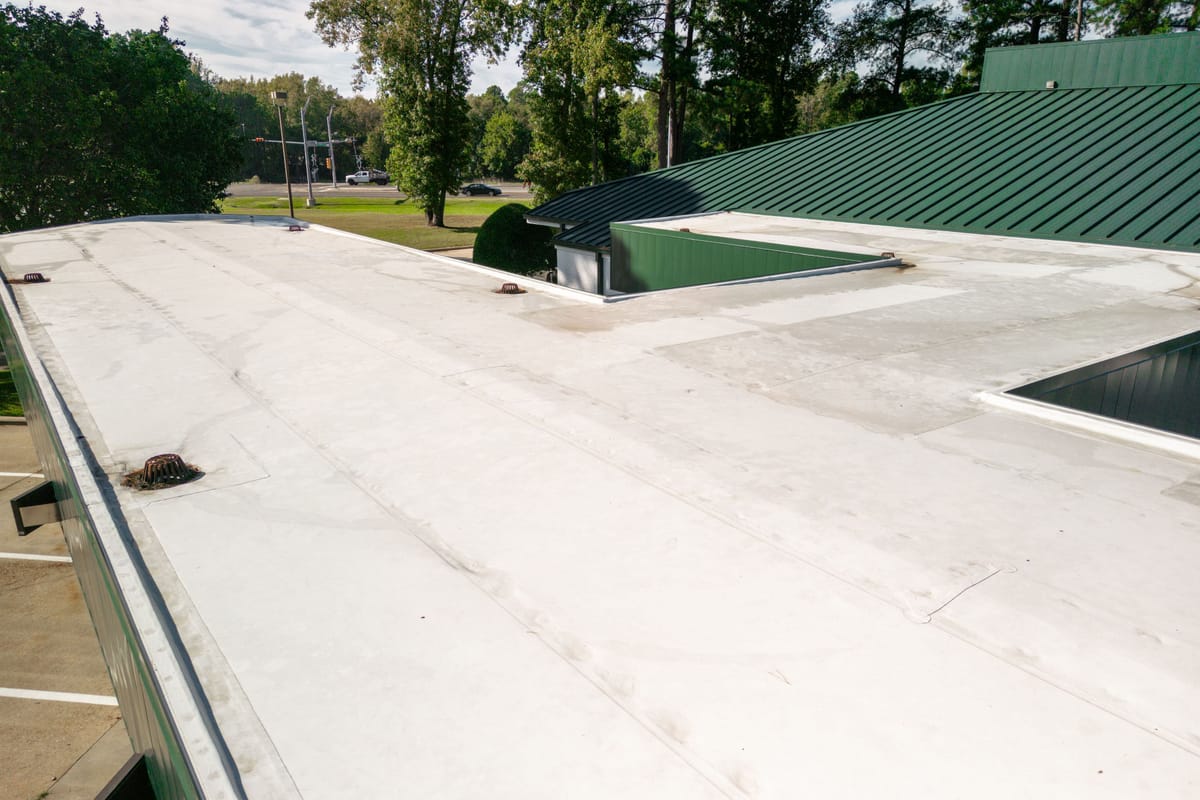
What Is a Small Commercial Roof Leak and Why Do Costs Escalate?
A small commercial roof leak is typically an early-stage breach in the roofing membrane or flashing that permits water infiltration. On flat or low-slope systems—especially TPO, PVC, or modified bitumen types—water may not come through the point of entry directly but migrates laterally through insulation and deck assemblies, causing hidden saturation, mold, and interior damage before surface symptoms are obvious.
The cost impact increases quickly due to:
- Wet insulation losing energy efficiency and requiring removal
- Corrosion of metal decking or fasteners
- Mold growth spreading behind walls or ceilings
- Risks of voiding manufacturer warranties if leaks are neglected
Treating every sign of leakage seriously—with a structured inspection protocol—is essential to controlling both immediate costs and long-term roof lifecycle expenses.
Step-by-Step: What Property Managers Should Check Immediately
1. Document Interior Leak Symptoms
- Pinpoint every visible symptom: note stain size, pattern, exact location, and timing of occurrence (linked to weather events).
- Request tenant photos, videos, or maintenance logs; these help trace roof-to-interior leak paths.
This level of documentation enables the roofer to focus the inspection efficiently and rule out unrelated building systems.
2. Review All Roof and Maintenance Records
- Pull roof plans, as-builts, and prior inspection reports
- Check warranty documentation and repair or leak histories
- Record recent rooftop work by all trades—many leaks originate at post-HVAC or electrical install penetrations
Organized records often save thousands in unnecessary repairs or reinspections and help preserve warranty status.
3. Prioritize Safety for Preliminary Roof Access
- Never inspect alone; always use the buddy system
- Walk the entire accessible area carefully, noting any hazards or structural concerns
- Postpone if surfaces are slick or if weather is unsafe
Property managers should leave hands-on roof repairs to licensed professionals but can perform basic visual checks safely when prepared.
4. Inspect Roof Surface for Early Damage
- Examine the membrane for cracks, slits, punctures, blisters, or chalking—particularly around high-traffic zones and edges
- Identify any punctures larger than 1/8 inch or seams showing separation
Attempted DIY patches often void warranties—any indication of damage should prompt immediate professional involvement.
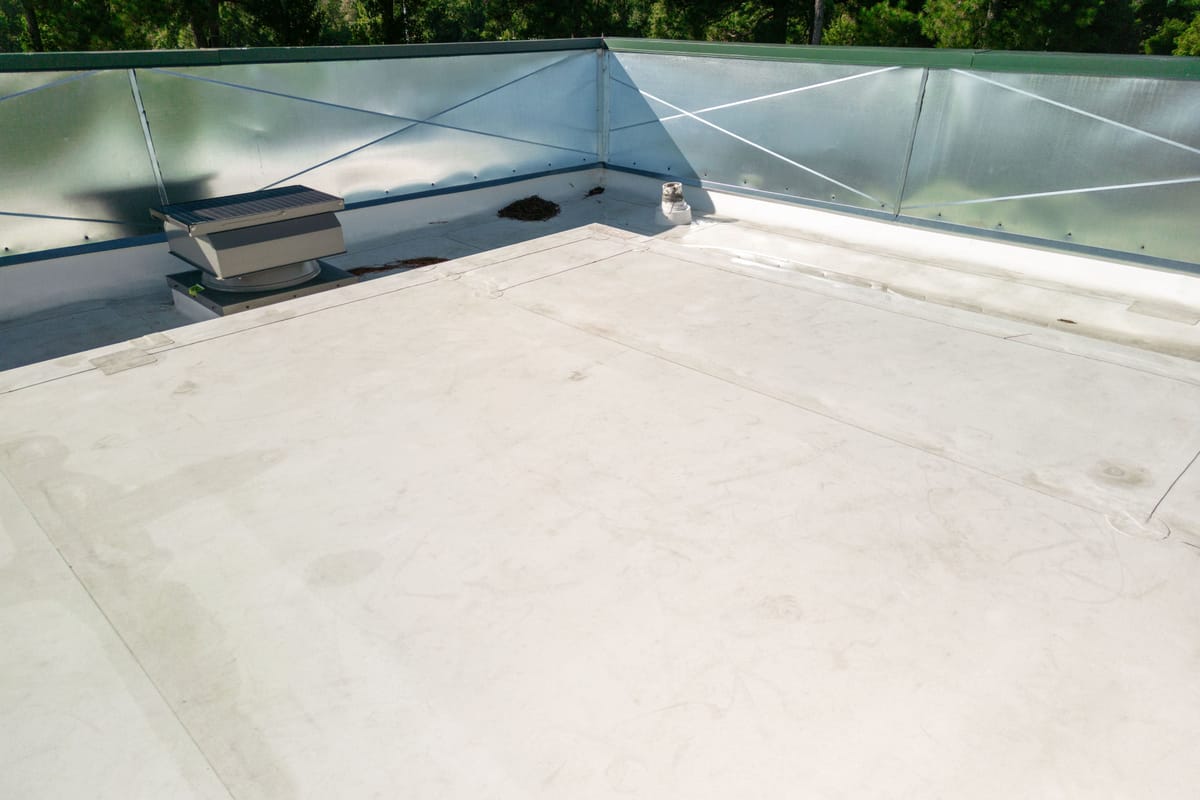
5. Check for Ponding Water After Rain
- Inspect within 48 hours post-storm for standing water lasting longer than recommended
- Assess the size and depth of ponded areas and their proximity to drainage points and potential sagging in the deck
Persistent ponding accelerates membrane decay and can quickly lead to large-scale failures and deck damage.
6. Evaluate Flashings, Parapets, and Edge Metals
- Check that base flashings are secure, with no gaps, lifted edges, or failed sealant
- Inspect parapet walls, coping caps, and all perimeter metals for movement, corrosion, and intact sealants
Industry studies consistently identify flashings and edge conditions as the number one source of commercial roof leaks—especially after wind or freeze-thaw cycles.
7. Clear and Test Drainage Components
- Ensure all drains and scuppers are fully open and not blocked by debris or roofing granules
- Test gutter slopes, check downspout flow, and confirm mechanical tightness of all drain bolts and hardware
- For buildings with flat roofs, special focus should be placed on redundant (overflow) drainage features
Clogged drainage accelerates leak development and is a recurring issue on older or neglected roofs.
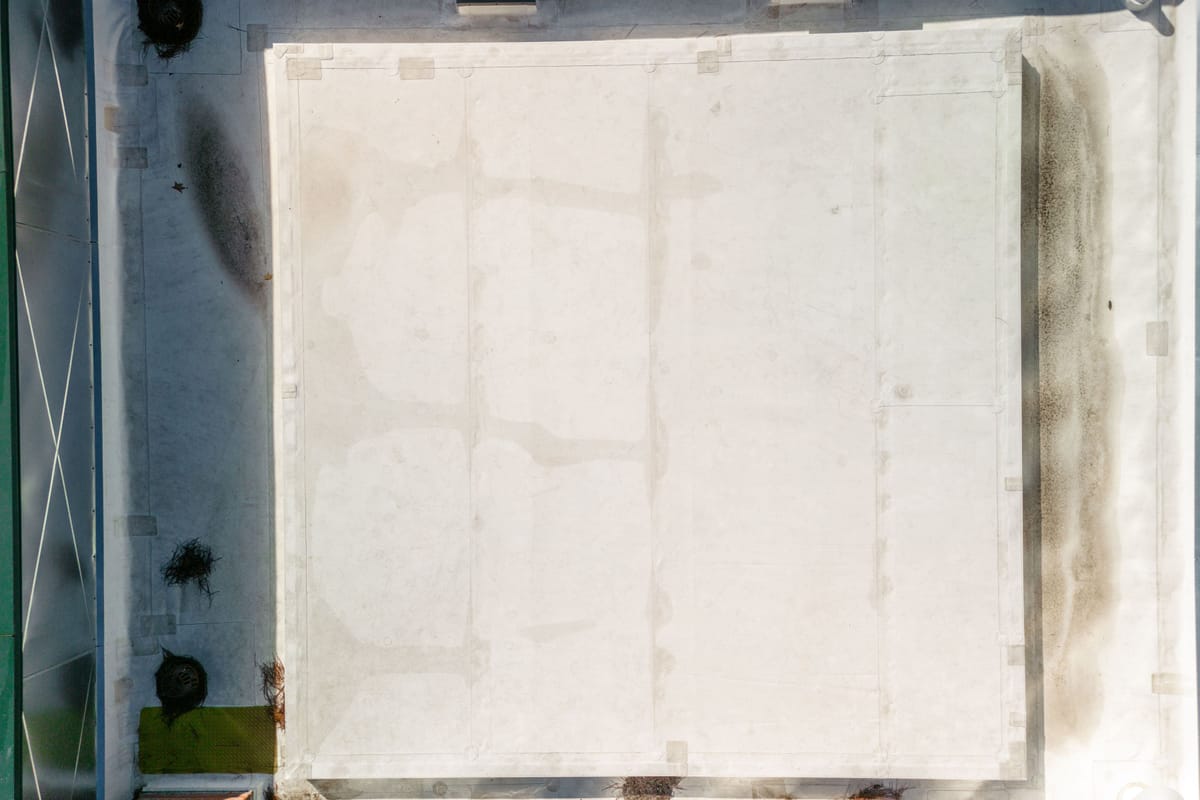
8. Inspect Penetrations Around Equipment and Vents
- Inspect seals at all pipe boots, pitch pockets, HVAC curbs, and roof-mounted equipment
- Look for dried, cracked, or shrunken sealant at any specialized penetration
- Any recent work by mechanical, plumbing, or communications contractors should trigger a focused inspection of new or altered penetrations
Leaks from failed or improperly flashed penetrations are often slow and hidden, saturating insulation well before appearing inside.
9. Look for Signs of Hidden Structural or Insulation Issues
- Check for spongy-feeling roof areas, which indicate saturated insulation and a major loss of performance
- Indoors, investigate ceiling stains, sagging, or visible mold, especially near the roof perimeter or below known leaks
These are often the first signs that a minor leak has developed into a problem requiring significant repairs or overlays on top of an existing system.
10. Establish Regular Preventative Inspection Schedules
- Conduct full roof checks at least twice annually—typically before the wet and dry seasons
- Increase inspections after major weather events or if vendors have accessed the roof
- Keep a detailed log to spot patterns of recurring issues
Many businesses find that proactive checklists not only prevent expensive repairs but also preserve warranty eligibility and aid in budget forecasting.
How Roof Care Responds to Small Leaks: Solutions and Value-Engineering
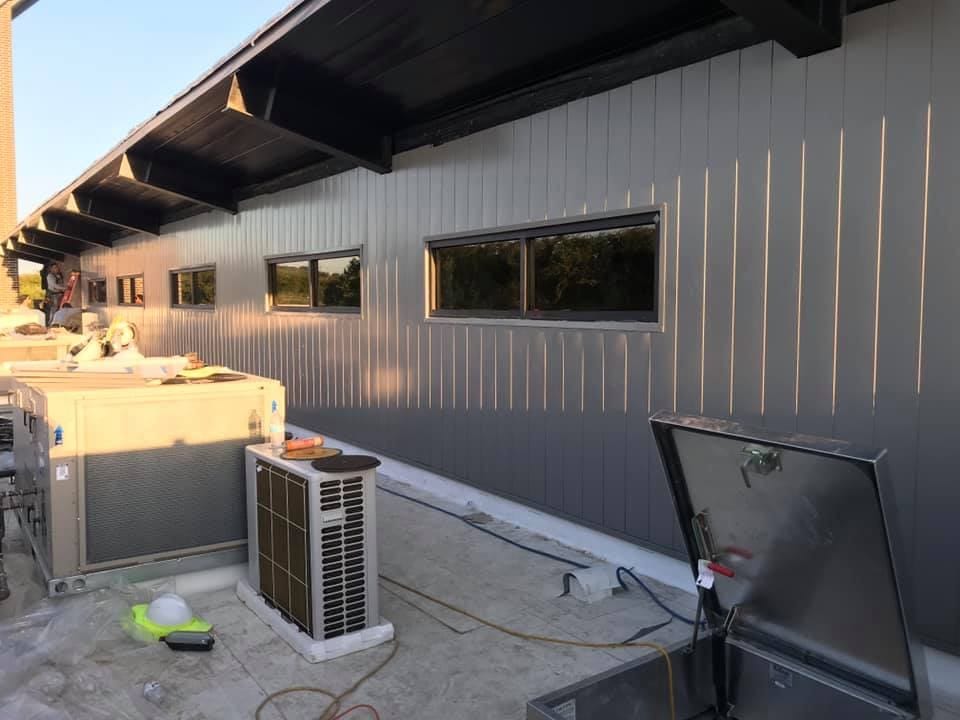
Roof Care operates as one of the most experienced commercial roofing contractors in East Texas, handling TPO membranes and flat roof repairs for shopping centers, offices, warehouses, hotels, and industrial buildings. With over 1,230 projects since 2009 and a hands-on, in-house crew, we specialize in:
- Detailed commercial leak management and repair programs (tailored to extend current roof life by two to five years when feasible)
- Rapid emergency response, targeted leak repairs, and thorough documentation for every project
- Expertise in overlay and retrofit systems—avoiding tear-off wherever possible for cost-conscious building owners
For example, in a 68,000-square-foot shopping center project in Longview, Roof Care engineered a solution that involved removing pea gravel, adding new insulation cover board, and installing a new 60-mil TPO membrane, saving the owner over 28 percent compared to a traditional tear-off. The roof received all new custom flashing components and is backed by a manufacturer’s warranty of at least 20 years, highlighting the combination of durability and economy possible with expert guidance. For similar large-scale commercial roof challenges, consult the full Roof Care shopping center case study.
Using Roof Care’s Instant Estimate Tool for Actionable Budgeting
Before authorizing repairs or replacements, property managers can use Roof Care’s Instant Estimate Tool. This user-friendly resource instantly calculates pricing for TPO membrane systems using satellite mapping—allowing managers to compare 5-6 options, save breakdowns for planning, and make decisions quickly. The tool is fully calibrated for commercial flat roof TPO projects, offers starting prices in the $317-348 per square range, and helps inform both repair and replacement strategy.
When to Call Roof Care Immediately
- Leaks that reoccur in the same area or after previous repairs
- Visible ponding water lasting beyond 48 hours after rain
- Open membrane seams, large blisters, or apparent tears
- Separations or failures at flashings and perimeter metals
- Obstructed drains and any suspicion of widespread wet insulation
Roof Care’s in-house commercial team is available for free roof inspections, rapid leak repair, and long-term guidance on overlays, retrofits, and insurance-eligible repairs.
Best Practices for Preventing Expensive Commercial Roof Repairs
- Don’t ignore small interior stains or minor leaks—act immediately with documentation and preliminary investigation
- Maintain organized roof and repair records to streamline response and preserve warranty coverage
- Schedule regular inspections and prioritize checks after storms or roof work
- Leverage value-engineering options, such as TPO overlays, before authorizing costly tear-off projects
- Use digital tools, like Roof Care’s Instant Estimate, to keep repair and replacement budgeting transparent
- Choose local, GAF-certified contractors who are familiar with East Texas building codes, weather, and roofing systems
For more detail on how TPO compares to other flat roof options, property managers may want to review TPO vs. Modified Bitumen: Which Flat Roof System is Best for East Texas Businesses?
Frequently Asked Questions
What are the early warning signs of a serious commercial roof leak?
Key indicators include recurring water stains inside, damp odors, blistered or spongy areas on the roof, ponding water that persists after rain, visible membrane punctures, and separation at flashings or perimeter metals.
How often should a commercial roof in East Texas be inspected?
At minimum, roofs should be inspected twice a year—before heavy rain seasons and after any major weather event or construction activity on the roof.
Is it possible to overlay a new roof system on top of an existing one?
Yes, if the current roof has only one layer and saturated areas are limited, a cover board and TPO overlay may be the most economical solution, preserving the insulation and structure underneath. Roof Care routinely provides these overlays with manufacturer warranties.
What role do roof warranties play in leak repairs?
Manufacturer warranties, such as 20-year No Dollar Limit (NDL) policies, provide significant long-term value. Ignoring small leaks or allowing unapproved repairs can void coverage. Always use certified contractors and document all work performed.
How quickly can Roof Care inspect and respond to active leaks?
Roof Care maintains in-house crews for rapid response across East Texas and routinely dispatches foremen for immediate leak documentation and tenant care. Free commercial inspections and estimates are available on request.
Where can I get a fast budget estimate for a commercial TPO roof replacement?
Property managers can access the Instant Estimate Tool for dynamic quotes based on satellite measurements and site details, with options tailored to commercial TPO systems.
Conclusion: Take Proactive Steps Before Leaks Become Expensive
A disciplined, proactive approach to commercial roof maintenance, documentation, and inspection is the single best way to avoid escalating repair costs. By following the steps above—and partnering with experienced East Texas contractors like Roof Care—property managers can safeguard their budgets, maintain warranty protection, and prevent disruption to building occupants. For specialized guidance, value-engineering on overlays, or immediate help with commercial leak repair, reach out to the trusted experts at Roof Care. Start your next roof evaluation or estimate today to keep small issues from becoming capital headaches.

