




-
 Residential Roofing
-
 0 Comments
Insurance Roof Replacement vs Paying Out of Pocket: What Changes for Homeowners?
The right way to handle a roof replacement—insurance claim or paying out of pocket—defines the experience, cost, and long-term value for East Texas homeowners and commercial property owners. The choice impacts not only your finances but also your control over the project, timelines, and potential future insurance premiums. With distinct differences between each route, understanding the nuances is essential for anyone facing a major roof-related decision.
Defining Insurance Roof Replacement vs. Paying Out of Pocket
An insurance roof replacement involves filing a claim with your homeowner’s or commercial property insurance, typically after sudden, covered events like hail or wind storms. The insurer covers repair or replacement costs according to your policy terms, minus a deductible and possible depreciation. In contrast, paying out of pocket means you bear full financial responsibility for the roof work without involving your insurance carrier. This approach gives you more autonomy over timing, contractor choice, and materials, but typically involves higher upfront expenses.
What Changes for Homeowners and Property Managers?
The primary change is financial—but process, control, speed, and future insurance implications should not be overlooked. Filing an insurance claim may reduce the immediate outlay (you usually only pay the deductible), but the process introduces adjuster involvement, required documentation, and possible impacts on your claim history. Out-of-pocket replacement offers speed, privacy, and flexibility but comes with higher direct costs and no insurance assistance for unforeseen issues.
Key Differences and Considerations
- Coverage Type: Replacement cost vs. actual cash value can mean thousands of dollars’ difference in what your insurer pays, especially for older roofs.
- Deductible Amount: If the total repair or replacement cost is near your deductible, filing a claim may not be worthwhile.
- Approval Risks: Insurance adjusters must confirm storm or accidental damage. Regular aging or wear is rarely covered.
- Project Speed: Insurance processes can slow scheduling, while self-pay jobs are often faster.
- Future Premiums: Filing a claim may raise premiums in future years. No-claim projects have no such risk.
Step-by-Step Decision Framework
- Confirm the Condition: Get a professional inspection to determine if damage is storm-related or due to age/wear.
- Review Your Policy: Check deductibles and whether you have replacement cost or actual cash value coverage.
- Request an Estimate: Use an estimator tool or get a contractor quote to determine the real cost.
- Compare Costs: Weigh the insurance deductible and potential premium increases against total out-of-pocket costs.
- Choose the Path: Decide which route is best for your budget and long-term interests.
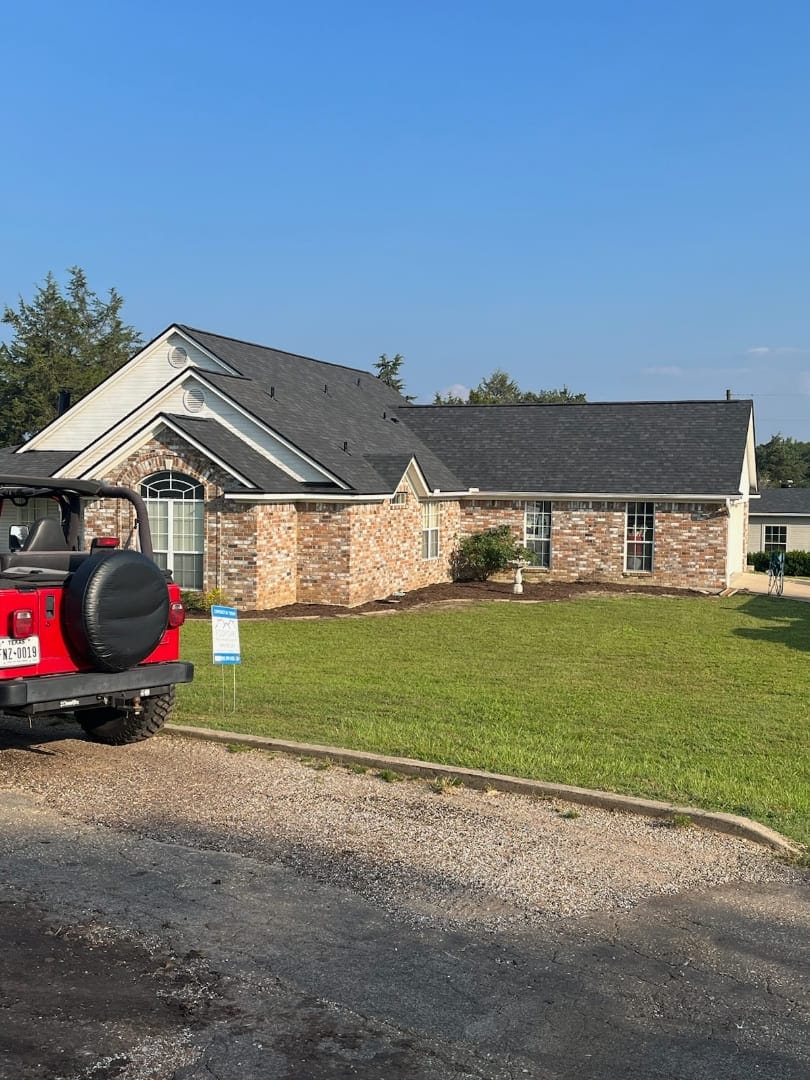
Advantages of an Insurance Roof Replacement
- Lower Immediate Outlay: Typically only the deductible is paid up front.
- Storm-Damage Protection: Major damage from sudden events is usually covered—especially with replacement cost policies.
- Possible Coverage for Related Work: Sometimes includes code upgrades or related repairs (e.g., decking, flashing).
- Reduced Pressure on Emergency Funds: Helpful for large and unforeseen events.
Drawbacks of an Insurance Roof Replacement
- Approval Uncertainty: Damage must be confirmed by an adjuster as a covered loss; wear and tear are rarely approved.
- Deductibles Apply: Must pay out of pocket before coverage begins.
- Depreciation with ACV Policies: Older roofs often result in higher homeowner responsibility.
- Timeline Delays: Scheduling and payments may hinge on claims processing.
- Impact on Premiums: A claim may affect your rates for several years.
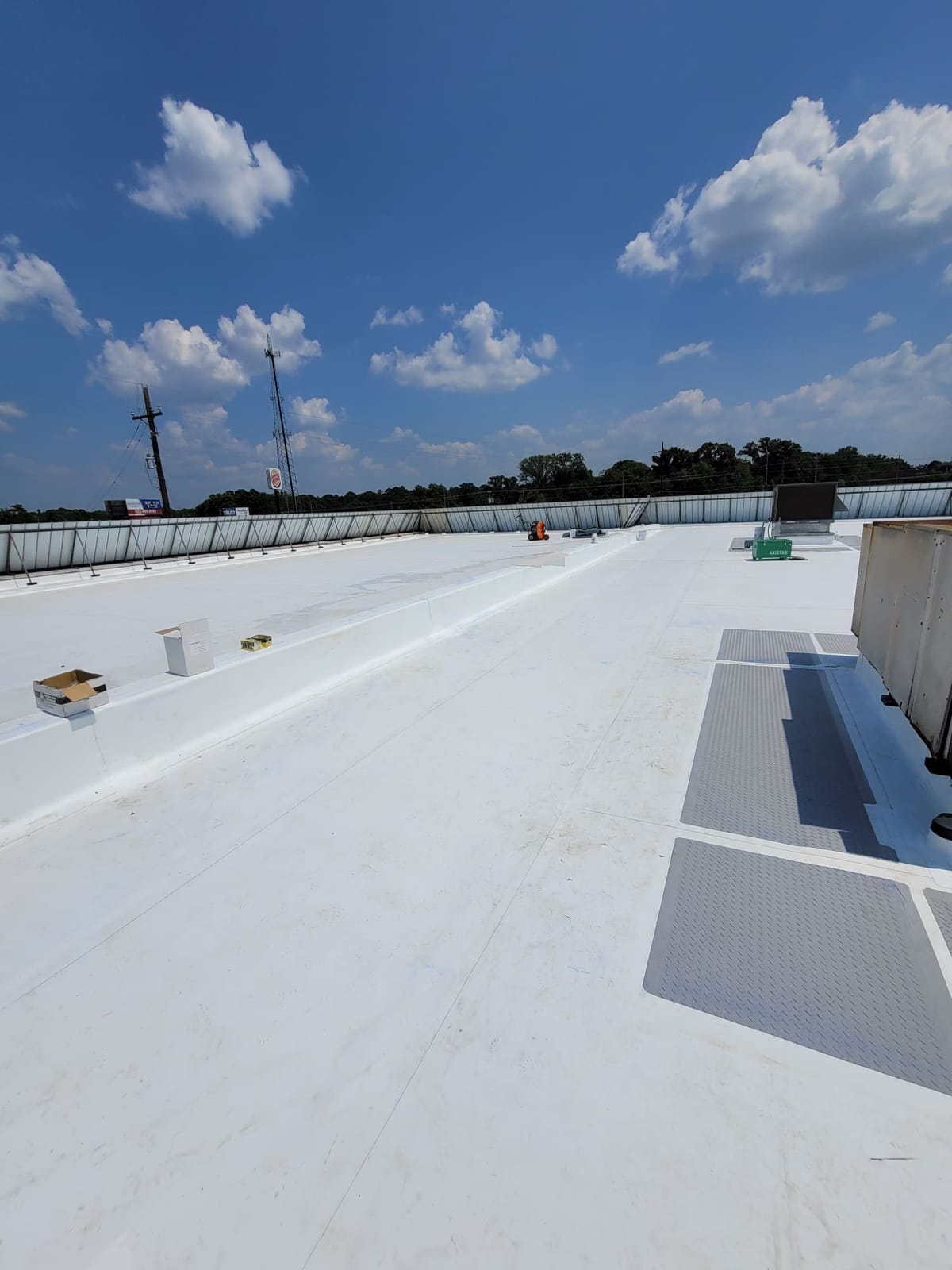
Advantages of Paying Out of Pocket
- Control: Freedom to select materials, contractor, and scheduling.
- Quicker Completion: No need to wait for claim approval or adjuster visits.
- Insurance Clean Record: Avoids claims history that could affect future premiums.
- Flexibility: Can choose upgrades or creative repairs not covered by insurance.
Drawbacks of Paying Out of Pocket
- Higher Immediate Cost: Full bill for materials, labor, and any hidden repairs.
- No Help for Unforeseen Issues: Unexpected damage (rotted wood, code items) is your responsibility.
- Missing Claim Opportunity: If you discover storm damage late, you may miss the chance to document and file.
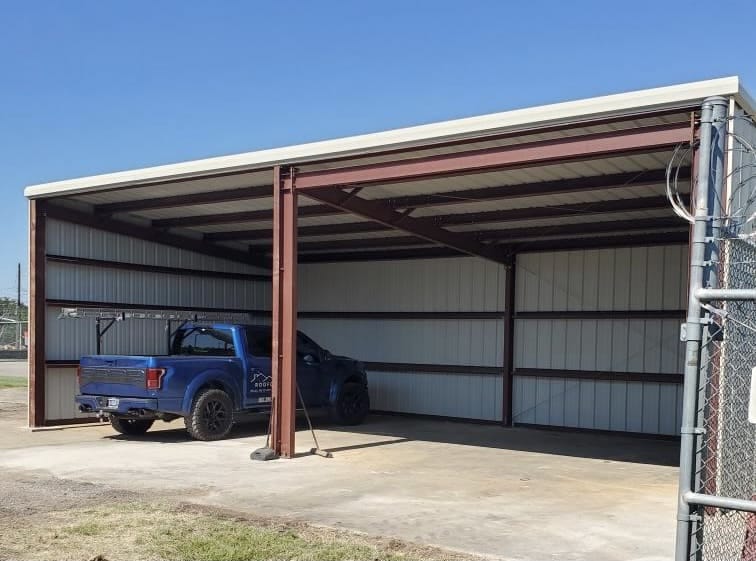
Cost Comparison Table
| Scenario | Recommended Route | Why |
|---|---|---|
| Minor, routine repair (below deductible) | Pay out of pocket | Lower hassle, protects claim history. |
| Severe storm damage (well above deductible) | Insurance claim | Insurer covers most costs beyond deductible. |
| Old roof covered only for actual cash value | Depends on policy | Depreciation may make the claim less beneficial. |
| Total wear-out, no storm involvement | Pay out of pocket | Insurance rarely pays for standard aging. |
Considerations Unique to East Texas Homeowners and Businesses
Storm frequency, climate, and building codes in the Longview, Tyler, Marshall, and Kilgore regions all factor into roof replacement choices. High wind or hail events may tilt the balance toward an insurance claim when damage is significant and sudden. In contrast, scheduled upgrades or end-of-life replacements for residential and commercial properties are often handled more efficiently as out-of-pocket projects—especially if the cost hovers near the policy deductible.
Roof Care operates throughout East Texas, guiding property owners in both scenarios. Our Instant Estimate Tool lets you see current market-based pricing for commercial TPO membrane roofs and residential shingle systems—supporting rapid, reliable budgeting for any project.
Real-World Scenario: Shopping Center TPO Roof
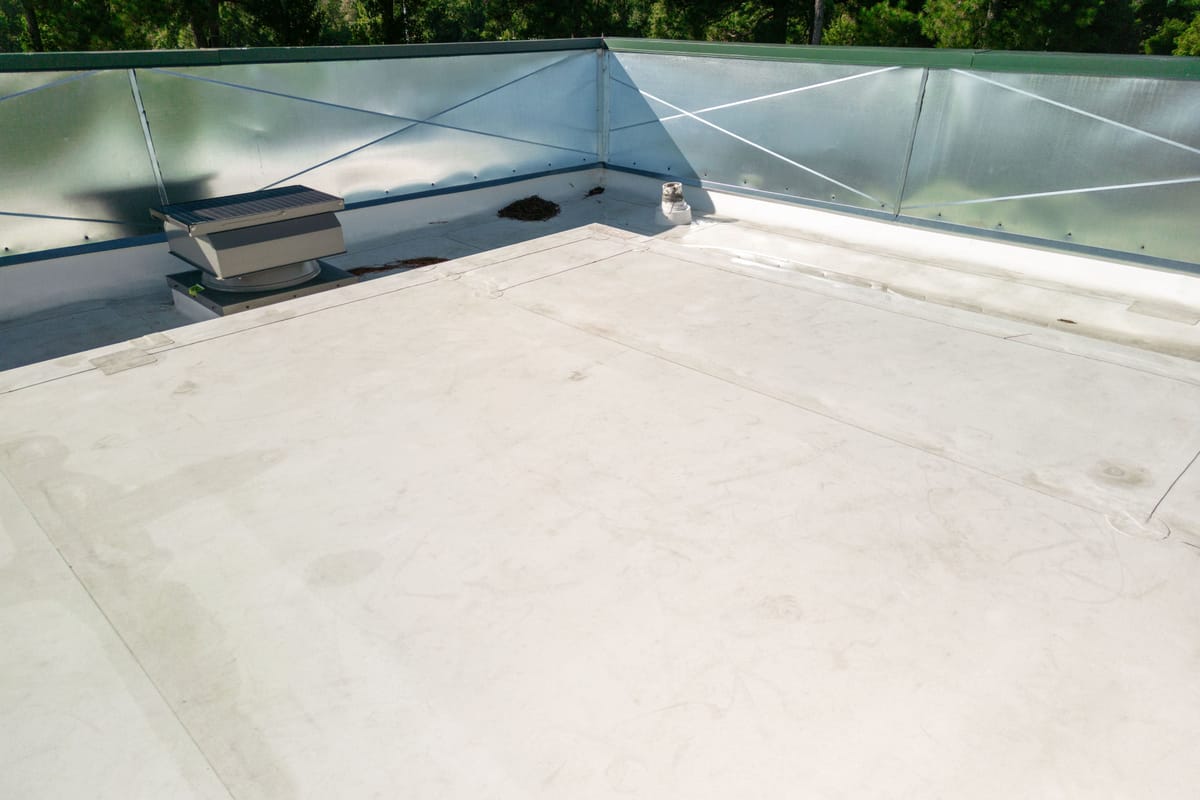
In a recent 68,000 square foot shopping center roof project in Longview, Roof Care delivered a cost-effective solution for the owner by recommending a TPO membrane overlay system, rather than a full tear-off. By understanding code requirements and system options, we lowered direct costs by 28% while still providing a 20-year manufacturer’s warranty.
Overlay strategies (vs. full tear-off and replacement) are often unavailable through insurance claims, but can be considered when paying out of pocket on commercial buildings. Cases like these highlight the importance of value engineering and local expertise.
Learn more about the details in our documented Shopping Center Roof Case Study.
Best Practices from Roof Care: Making the Right Choice
- Start with a professional inspection to determine the cause and extent of roof issues.
- Know your deductible and policy type (Replacement Cost Value or Actual Cash Value).
- Compare costs using real market pricing—use the Instant Estimate Tool as a reliable starting point.
- Document all damage and repairs, especially for insurance claims. Consider timing: claims soon after weather events are typically more successful.
- If unsure, seek guidance from a local East Texas expert familiar with both residential and commercial systems. Roof Care has decades of experience assisting clients on both sides of the equation, particularly for TPO commercial roofing and complex residential insurance claims.
- Understand warranty coverage and ask about extensions or special options when selecting a new roof.
You can also explore related topics in our detailed posts: How to File a Roof Insurance Claim in Longview TX After a Summer Storm and How Much Does a New Roof Cost in Longview TX in 2026?
Frequently Asked Questions
What if my insurance denies my roof claim?
If your insurer denies the claim, you can request a reinspection with your roofer present to highlight storm damage. If denied a second time, paying out of pocket or financing through a trusted contractor may be best.
How do I know if I have replacement cost value or actual cash value coverage?
Check your policy declarations page, or ask your insurance agent or adjuster directly. Roof Care can help interpret policies as part of our inspection process.
Can I pay the deductible with promotional discounts or incentives?
Texas law requires you to pay your insurance deductible in full for roof replacements. Contractors cannot legally cover or rebate it.
How does filing a claim affect future insurance premiums?
A claim may cause premiums to increase for several years, even if paid. For minor repairs below or near the deductible, out-of-pocket payment protects your claim history.
Does insurance ever pay for roof upgrades?
Insurance typically covers a like-for-like replacement. Any upgrades (premium shingles, advanced TPO, or code-required improvements) may require you to pay the difference out of pocket. Get clarity before signing any contracts.
How do I get a fast, accurate estimate for both options?
Roof Care’s Instant Estimate Tool provides project pricing for both residential and commercial roofs, including TPO and shingle options throughout East Texas.
Conclusion: Take the Next Step With Roof Care
Whether you are a homeowner in Tyler needing a new shingle roof or a property manager in Longview choosing a TPO overlay, the decision between insurance and out-of-pocket roof replacement has lasting consequences. As the go-to East Texas roofing expert, Roof Care provides honest guidance, professional inspections, and real-world pricing tools to support your choice. Use our Instant Estimate Tool or contact the team for personal advice and a clear path forward.
Get your questions answered and plan your next roof project with the trusted authority in Longview, Tyler, Marshall, Kilgore, and the wider East Texas region.

